
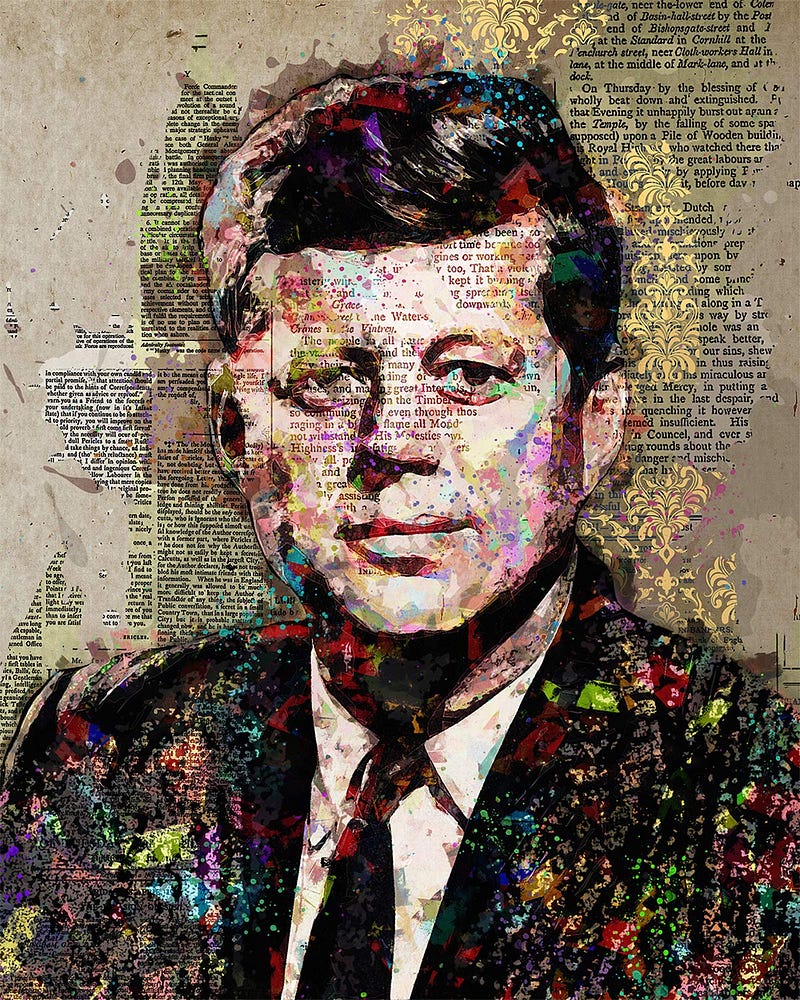
The assassination of John F. Kennedy on November 22, 1963, remains one of America’s most debated mysteries. Over the decades, countless theories have emerged, fueled by government secrecy, conflicting witness reports, and the slow release of classified materials. Even after the Warren Commission’s official conclusion that Lee Harvey Oswald acted alone, skepticism has persisted.
The continued release of classified documents—most recently under the JFK Records Act—has given us a clearer picture. While some questions remain, these newly revealed files provide insight into what the government knew, what it may have covered up, and whether conspiracy theories hold any merit.
So, what do these new files reveal? Do they confirm the lone gunman theory or fuel suspicions of a broader conspiracy? Here’s what we now know.
1. U.S. Intelligence was tracking Lee Harvey Oswald
One of the most significant revelations is the extent to which U.S. intelligence agencies were tracking Lee Harvey Oswald before the assassination. The newly released documents confirm that the CIA, FBI, and other agencies had Oswald under surveillance long before November 22, 1963.
Oswald had traveled to Mexico City just weeks before the assassination, where he visited both the Soviet and Cuban embassies in an attempt to secure a visa. The CIA intercepted Oswald’s communications during this time but took no direct action against him. This raises questions about why intelligence agencies did not see him as a significant threat.
A significant concern arising from this revelation is the possibility of an intelligence failure. If the CIA and FBI were monitoring Oswald, did they fail to prevent the assassination — or worse, did they let it happen? Some researchers believe the agencies knew of his movements but underestimated his potential danger. Others argue that intelligence officials ignored warning signs because of bureaucratic inefficiencies or a desire to conceal prior contact with Oswald.
2. The CIA Had Secret Links to Oswald and Concealed Evidence
For decades, the CIA has maintained that it had no direct involvement with Lee Harvey Oswald. However, the new documents challenge this claim.
Recently declassified files reveal that the CIA had a secret file on Oswald dating back to 1960, contradicting previous denials. Intelligence officials withheld this information from the Warren Commission and other investigators tasked with assessing the circumstances of JFK’s murder. Some of the documents also suggest that the CIA deliberately obstructed efforts to provide full transparency about Oswald’s past intelligence connections.
One particularly troubling aspect of the new files is the behavior of certain high-ranking CIA officials who seem to have actively worked to suppress information about Oswald. Why would they do this if the assassination was solely the work of a lone gunman? Some historians argue that the agency was engaging in damage control, fearing that revealing Oswald’s ties to intelligence operations could lead to accusations of CIA complicity in Kennedy’s assassination.
Regardless of the motivation, the fact that intelligence agencies hid key information for decades only fuels more profound skepticism about their role in the case.
3. High-Level Government Officials Suspected a Conspiracy
While the official government stance has always been that Oswald acted alone, private comments from high-ranking officials suggest that many were not so convinced.
FBI Director J. Edgar Hoover was one of the first officials to express doubts about the simplicity of the assassination. In a now-public memo written shortly after Oswald’s death at the hands of Jack Ruby, Hoover stated that the American public needed to believe Oswald was the lone killer, implying pressure to settle the case quickly rather than investigate further.
President Lyndon B. Johnson also voiced concerns about a broader conspiracy. According to recently disclosed government memos, Johnson suspected that foreign governments — most notably Cuba or the Soviet Union — could have been involved in JFK’s killing. However, he also feared that pursuing this line of investigation too aggressively could potentially push the U.S. into World War III.
Former CIA Director Richard Helms made cryptic remarks about Oswald’s intelligence ties that have led some experts to suspect that there is still classified information being withheld. These statements suggest that even among the highest levels of government, there was doubt about whether Oswald honestly acted alone.
4. The “Second Gunman” Theory Is Still Unresolved
Perhaps the most significant and most enduring mystery surrounding JFK’s assassination is whether there was a second shooter. While the documents do not definitively confirm or refute this theory, they provide significant clues that continue to fuel the debate.
Some recently released files discuss acoustic analyses of the gunshots, which suggest the possibility of multiple shooters. While these findings are controversial, they lend support to the theory that gunfire may have come from the famous grassy knoll rather than solely from the Texas School Book Depository.
Several witness testimonies and new reports question the viability of the “magic bullet” theory — the idea that a single bullet fired by Oswald caused multiple injuries to both JFK and Texas Governor John Connally. Some researchers argue that inconsistencies in the bullet trajectory make it unlikely that Oswald was the only shooter.
While definitive proof remains elusive, the new documents indicate that questions surrounding a second gunman are far from settled.
5. CIA and Mafia Links to JFK’s Death Still Seem Plausible
One of the most persistent theories regarding JFK’s assassination is that a powerful alliance between the CIA and the Mafia orchestrated it. The newly released documents further intrigue this possibility.
It has long been known that the CIA collaborated with Mafia figures such as Sam Giancana and Santo Trafficante in attempts to assassinate Cuban leader Fidel Castro. The newly declassified files provide further confirmation that these figures had extensive dealings with U.S. intelligence, raising questions about their potential involvement in Kennedy’s death.
Mafia informants and previously undisclosed agency records suggest that some high-ranking organized crime bosses believed Kennedy had betrayed them. Many mobsters were furious over his administration’s crackdown on organized crime, which they saw as a direct attack after their alleged support in getting Kennedy elected.
Jack Ruby, the nightclub owner who shot and killed Oswald, had Mafia ties as well, adding another layer of suspicion. Some researchers believe Ruby was ordered to silence Oswald before he could reveal deeper connections.
Although the latest documents provide no smoking gun, they offer further credibility to the theory that the assassination may have involved both intelligence agencies and criminal enterprises working together.
Final Thoughts: The Truth Is Closer — But Not Complete
Every new release of JFK assassination records brings us closer to the truth, but some critical files remain redacted or are delayed from public view.
What we do know now, without a doubt, is that intelligence agencies were monitoring Oswald before the assassination. We also know that the CIA withheld critical information from investigators and that high-ranking officials privately expressed doubts about the lone gunman theory.
What these files have not fully explained is whether Oswald was honestly acting alone or had assistance, whether the CIA, Mafia, or both played a direct role, and why, after 60 years, some documents are still classified.
Whatever the ultimate truth may be, the debate over JFK’s assassination is far from over.

 Blair Steward