In the world of professional sports, where athletes are often scrutinized and judged, Shedeur Sanders stands out as someone who is frequently misunderstood. His actions, driven by a genuine desire to spread joy and celebrate his journey, are often perceived as stemming from a sense of privilege or self-promotion. However, to truly understand Shedeur, one must look beyond the surface and consider the heart behind his actions.
Shedeur Sanders, the son of the legendary Deion Sanders, has inherited not only his father’s athletic prowess but also his charisma and showmanship. While some view his flamboyant displays as excessive, others see a young man who is unafraid to express his joy and gratitude. His videos, in which he sings with fans, serve as a testament to this. These moments are not staged for likes or shares; they are genuine attempts to brighten someone’s day. For those who have not experienced the depths of poverty, Shedeur’s openness and enthusiasm can seem overwhelming. Yet for those who have faced such challenges, it offers a refreshing reminder that joy is a universal language.
Growing up in a family of athletes, Shedeur has been surrounded by stories of perseverance and dedication. His father, Deion Sanders, is a Hall of Famer renowned for his exceptional skills on the field and vibrant personality off it. This upbringing has undeniably shaped Shedeur’s outlook on life and his approach to his career. His ability to connect with fans and spread positivity reflects the values instilled in him by his family.
Shedeur’s decision to host a draft party for himself is another example of his heartfelt intentions. Critics may interpret this as a self-indulgent act, driven by a desire to show off to the cameras. However, for Shedeur, it was a celebration of hard work and perseverance. Coming from a family of athletes, he understands the sacrifices and dedication required to reach the top. His draft party was not merely a personal milestone, but a celebration of his journey and the support system that had helped him get to that point.
The challenge lies in our ability to pause and see actions for what they truly are. In a world where social media often distorts reality, it’s easy to misinterpret genuine gestures as self-promotion. People may be justified in feeling annoyed by what they perceive as over-the-top behavior. However, it is essential to recognize that we all come from different backgrounds, each with distinct experiences and perspectives.
Shedeur Sanders has consistently shown that he has a big heart. His actions, whether singing with fans or celebrating his draft, are motivated by a desire to connect and share joy with others. He is not perfect, and neither are any of us. However, his genuine efforts to spread happiness and celebrate his achievements deserve recognition and understanding.
In a society where the quest for likes and shares often overshadows authenticity, Shedeur’s approach is a breath of fresh air. His interactions with fans are not calculated strategies for social media engagement; they are sincere attempts to connect and spread joy. This authenticity sets him apart and often leads to misunderstandings.
Shedeur’s journey showcases the power of resilience and hard work. Coming from a family of athletes, he has witnessed firsthand the dedication and sacrifices necessary to succeed in the competitive world of sports. His draft party was not just a celebration of his achievement but also an acknowledgment of the journey he undertook and the support he received along the way.
The draft party particularly highlights Shedeur’s ability to transform personal milestones into opportunities for connection and celebration. By inviting fans to share in his joy, he turns what could have been a private moment into a communal experience. This inclusive approach to celebration reflects his character and his desire to connect with others.
While Shedeur’s actions may sometimes be perceived as narcissistic, they are rooted in a genuine desire to connect and celebrate. By taking the time to understand his perspective and the journey he has undertaken, we can appreciate the sincerity behind his actions. Nobody is perfect, and Shedeur Sanders is no exception. However, beneath the surface lies a heart of gold, not afraid to express joy and gratitude in a world that often demands restraint.
Shedeur’s story serves as a reminder that actions often speak louder than words and that genuine gestures can be misinterpreted. As we navigate a world increasingly dictated by social media, it is crucial to take a moment to look deeper and recognize the true intentions behind people’s actions.
In the world of professional sports, the transfer of players from one team to another often sparks intense debate and speculation. The New York Giants’ decision to let Saquon Barkley go has been a hot topic, and it’s time to give credit where it’s due. The Giants, in their quiet way, showed a level of class and sportsmanship that often goes unnoticed in the high-stakes world of the NFL.
When the Giants decided to part ways with Barkley, many fans and analysts were quick to criticize. They saw it as a mistake, a missed opportunity to capitalize on a talented player. However, let’s take a step back and consider the broader perspective. The Giants, in letting Barkley go, showed a level of sportsmanship that is rarely acknowledged.
To draw a parallel, let’s look at the Detroit Lions and Barry Sanders. The Lions’ decision not to letSanders go is often cited as a classic case of a team holding onto a star player for too long, ultimately to the detriment of both the player and the team. The Lions’ refusal to let Sanders move on when he wanted to was seen as selfish and shortsighted. Many argue that the Lions’ actions limited Sanders’ ability to win a Super Bowl, a goal that eluded him throughout his illustrious career.
Now, consider the Giants’ situation in contrast. Saquon Barkley, a young and talented player, was let go by the Giants. This decision allowed Barkley the opportunity to find a new team, one where he could potentially thrive and, as it turns out, win a Super Bowl. The Giants’ decision was not driven by a desire to keep a star player for their benefit, but rather by a willingness to let Barkley find his place in a team where he could achieve his dreams.
The Giants’ move was not just about letting go; it was about recognizing that sometimes, the best thing a team can do for a player is to give them the freedom to pursue their goals elsewhere. Barkley, in his new environment, has demonstrated what he’s capable of, and his success is a testament to the Giants’ foresight and class. This quality should reassure sports fans and analysts alike.
Critics might argue that the Giants could have kept Barkley and built a team around him, but that’s a different story. The Giants, by letting Barkley go, demonstrated that they prioritize the well-being and career development of their players over holding onto talent for its own sake. This is a rare and admirable quality in a league where player loyalty is often seen as a one-way street.
The Giants’ gesture highlights a broader issue in professional sports: the balance between team success and player fulfillment. Too often, teams prioritize their own needs over those of their players, leading to situations where talented athletes are stuck in environments that don’t suit them. The Giants, by letting Barkley go, demonstrated that they understand this balance and are willing to act in the best interests of their players, a move that should reassure fans.
The Giants’ decision to let Barkley go also raises questions about the nature of team loyalty and player autonomy. In a sport where players are often seen as interchangeable parts, the Giants’ willingness to let Barkley pursue his dreams is a refreshing change. It suggests that the Giants value their players as individuals with aspirations and goals beyond the football field.
Furthermore, the Giants’ move can be seen as a strategic decision. By letting Barkley go, they freed up resources that could be used to rebuild and strengthen other areas of the team. This decision shows a long-term vision and a commitment to building a sustainable and successful franchise. It’s a reminder that sometimes, the best way to win is to know when to let go.
The Giants’ handling of the Barkley situation also reflects a changing landscape in professional sports. Teams are increasingly recognizing the importance of player happiness and fulfillment. A happy player is often a more productive player, and the Giants’ decision to let Barkley go shows that they understand this dynamic. By prioritizing Barkley’s well-being, the Giants have set a positive example for other teams in the league.
It’s also worth noting that the Giants’ decision has had a ripple effect throughout the NFL. Other teams are taking notice of the Giants’ approach and considering similar moves. This shift towards player-centric decision-making is a positive development for the league, as it promotes a more collaborative and respectful relationship between teams and players.
In addition, the Giants’ move highlights the importance of adaptability in professional sports. The ability to let go of a talented player and rebuild is a skill that not all teams possess. The Giants’ decision shows that they are not afraid to adapt and evolve, even if it means parting ways with a star player. This adaptability is crucial in a league where the only constant is change, and it should instill confidence in fans and analysts.
The Giants’ decision to let Barkley go also underscores the importance of building a team culture that values player development. By allowing Barkley to pursue his dreams, the Giants have demonstrated their unwavering commitment to helping their players grow and succeed, even if it means letting them explore new opportunities. This commitment to player development is a key component of a thriving team culture, and it should inspire us as fans and analysts.
Moreover, the Giants’ move has sparked a broader conversation about the role of teams in player development. Should teams be more focused on developing players for their benefit, or should they be more concerned with helping players reach their full potential, even if it means letting them go? The Giants’ decision suggests that the latter approach can be beneficial for both the player and the team.
The Giants’ handling of the Barkley situation also reflects a broader trend in professional sports towards greater player autonomy. Players are increasingly seeking more control over their careers, and teams are responding by offering more flexibility and support. The Giants’ decision to let Barkley go is a step in this direction, as it gives Barkley the freedom to pursue his goals and find a team that aligns with his aspirations.
Furthermore, the Giants’ move highlights the importance of long-term planning in professional sports. By letting Barkley go, the Giants have shown that they are thinking beyond the immediate future and considering the long-term success of the franchise. This long-term vision is essential for building a sustainable and prosperous team.
The New York Giants deserve credit for their classy handling of Saquon Barkley’s departure. While many were quick to criticize, the Giants showed a level of sportsmanship and foresight that is often overlooked. They let Barkley go, allowing him to find a team where he could thrive and, ultimately, win a Super Bowl. This decision, while not always popular, was a testament to the Giants’ commitment to their players and their understanding of the broader goals of professional sports.
The Giants’ move also serves as a reminder that sometimes, the best way to win is to know when to let go. By prioritizing Barkley’s well-being and career development, the Giants have set a positive example for other teams in the league. They have shown that player happiness and fulfillment are just as important as team success, and that a team’s true strength lies in its ability to adapt, evolve, and support its players.
So, let’s give the Giants the credit they deserve for being the good guys in this story. Their decision to let Barkley go was not just a business decision; it was a statement about the organization’s values and priorities. The Giants have demonstrated that they are willing to prioritize their players’ interests, even if it means letting them go. This commitment to player development and well-being is a rare and admirable quality in the world of professional sports, and it deserves to be recognized and celebrated.
In the annals of NFL quarterbacks, few tales are as stirring and uplifting as that of Jared Lorenzen. Born on May 4, 1981, in Florence, Kentucky, Lorenzen’s odyssey from a small-town lad to a Super Bowl victor is a testament to his talent, commitment, and unwavering spirit. His narrative of triumph, both on and off the field, is a saga that merits the same adulation as his athletic feats.
Lorenzen’s football career began to take shape during his college years at the University of Kentucky, where he showcased his versatility and athletic prowess. His breakout season came in 2003 when he threw for 3,080 yards and 29 touchdowns, earning him All-SEC honors. This performance caught the attention of NFL scouts, and in the 2004 NFL Draft, the New York Giants selected him in the fourth round, marking the beginning of his professional journey.
It was with the New York Giants that Lorenzen truly made his mark. Although he started his career as a backup, he quickly proved his worth and became an integral part of the team’s success. His dynamic playing style, combining power and agility, made him a fan favorite and a force to be reckoned with on the field. Lorenzen’s exceptional performance during the 2007 season was so impressive that it earned him a pivotal role in the Giants’ Super Bowl run. This feat solidified his status as one of the game’s rising stars.
His characteristic resilience and team spirit marked Lorenzen’s stint with the New York Giants. Despite the challenges of adapting to a new environment, he brought his A-game to every practice and match, contributing to the team’s success with his relentless work ethic and leadership qualities. His time with the Giants was a period of growth and learning, during which he left a positive impact on both his teammates and the organization.
Off the field, Lorenzen’s story takes an even more inspiring turn. Known affectionately as “The Hefty Lefty,” Lorenzen defied the odds and expectations placed upon him due to his size and weight. His journey was one of perseverance and determination, proving that true greatness is measured not just by statistics and accolades, but by the positive impact one has on the lives of others. Lorenzen’s ability to overcome the naysayers and achieve success at the highest level of football is a powerful testament to the rewards of hard work and dedication. His resilience in the face of adversity is a source of inspiration for all who hear his story.
One of Lorenzen’s most significant contributions to the New York Giants was his role in the 2007 season, which culminated in a Super Bowl victory. His performance during the playoffs was nothing short of extraordinary, showcasing his ability to rise to the occasion when it mattered most. Lorenzen’s leadership and resilience were instrumental in the Giants’ journey to the championship, and his impact on the team’s success cannot be overstated. The Super Bowl win was a testament to Lorenzen’s hard work, talent, and the indomitable spirit he brought to the field.
The New York Giants, under Lorenzen’s influence, became a symbol of resilience and determination. The team’s culture of camaraderie and support was evident in their play, and Lorenzen was a key figure in fostering this environment. His ability to inspire and motivate his teammates was a crucial factor in the Giants’ success, and his legacy within the organization is one of unity and triumph. Lorenzen’s leadership was a guiding light for the team, and his influence can still be felt in the Giants’ continued commitment to excellence. His leadership was not just a part of the team, but a driving force that propelled them to victory.
Lorenzen’s life is a tapestry of achievement, resilience, and generosity. From his remarkable football career to his selfless contributions to the New York Giants, he has left an indelible mark on the hearts of many. His story serves as a poignant reminder that true heroism lies not just in the pursuit of personal glory, but in the dedication to helping others and making the world a better place. As we reflect on the incredible journey of Jared Lorenzen, we are reminded that the accurate measure of a person’s greatness is not found in the records they set, but in the lives they touch and the legacy they leave behind. Lorenzen’s impact on the lives of his teammates, his fans, and the community at large is a testament to the depth of his legacy and the power of his influence. His influence extended far beyond the field, touching the lives of those in his community and inspiring them to reach for their greatness.
The early years of Jared Lorenzen’s life were marked by a deep-seated love for football and an unyielding spirit that would eventually propel him to stardom. Raised in Florence, Kentucky, by supportive parents, Lorenzen was instilled with the values of hard work, perseverance, and compassion from a young age. These foundational principles guided him throughout his life, shaping his character and fueling his ambition. Lorenzen’s natural aptitude for sports, particularly football, became evident as he grew older, setting him apart from his peers with his size, speed, and agility. His parents, recognizing his potential, encouraged him to pursue his passion, providing him with the necessary resources and support to excel.
As Lorenzen navigated through high school, his talent on the football field became increasingly evident. Playing for the Boone County High School Rebels, he quickly established himself as a standout player, catching the attention of college scouts. His performance in high school was so impressive that he was offered a scholarship to play for the University of Kentucky, marking a turning point in his life. This opportunity propelled him onto the national stage and set him on a path to NFL stardom.
Lorenzen’s time at the University of Kentucky was a period of significant growth and achievement. He joined a talented roster and quickly made an impact, contributing to the team’s success with his versatile playing style. His breakout season came in 2003 when he threw for 3,080 yards and 29 touchdowns, earning him All-SEC honors. This performance not only solidified his reputation as a rising star but also caught the attention of NFL scouts, who began to take notice of his potential. During his college career, Lorenzen developed a reputation for his work ethic and leadership qualities. He was recognized for his dedication to the team and his willingness to go above and beyond to support his fellow players’ success. This commitment to excellence and teamwork would serve him well in his professional career, where he would continue to embody these values both on and off the field.
In the 2004 NFL Draft, the New York Giants selected Jared Lorenzen in the fourth round, marking the beginning of his professional career. Although he started as a backup, Lorenzen quickly proved his worth and became an integral part of the team’s success. His dynamic playing style, which combined power and agility, made him a fan favorite and a force to be reckoned with on the field. Lorenzen’s exceptional performance during the 2007 season was so impressive that it earned him a pivotal role in the Giants’ Super Bowl run. This feat solidified his status as one of the game’s rising stars.
His characteristic resilience and team spirit marked Lorenzen’s stint with the New York Giants. Despite the challenges of adapting to a new environment, he brought his A-game to every practice and match, contributing to the team’s success with his relentless work ethic and leadership qualities. His time with the Giants was a period of growth and learning, during which he left a positive impact on both his teammates and the organization. During his time with the Giants, Lorenzen continued to demonstrate the qualities that had made him a standout player throughout his career. He was known for his dedication to the team, his willingness to support his fellow players, and his ability to rise to the occasion when it mattered most. Although his time with the Giants was relatively short, he left a lasting impression on the organization and its fans, who came to appreciate his contributions both on and off the field.
Off the field, Lorenzen’s story takes an even more inspiring turn. Known affectionately as “The Hefty Lefty,” Lorenzen defied the odds and expectations placed upon him due to his size and weight. His journey was one of perseverance and determination, proving that true greatness is measured not just by statistics and accolades, but by the positive impact one has on the lives of others. Lorenzen’s ability to overcome the naysayers and achieve success at the highest level of football is a powerful reminder that with hard work and dedication, anything is possible.
One of Lorenzen’s most significant contributions to the New York Giants was his role in the 2007 season, which culminated in a Super Bowl victory. His performance during the playoffs was nothing short of extraordinary, showcasing his ability to rise to the occasion when it mattered most. Lorenzen’s leadership and resilience were instrumental in the Giants’ journey to the championship, and his impact on the team’s success cannot be overstated. The Super Bowl win was a testament to Lorenzen’s hard work, talent, and the indomitable spirit he brought to the field.
The New York Giants, under Lorenzen’s influence, became a symbol of resilience and determination. The team’s culture of camaraderie and support was evident in their play, and Lorenzen was a key figure in fostering this environment. His ability to inspire and motivate his teammates was a crucial factor in the Giants’ success, and his legacy within the organization is one of unity and triumph.
This life is a tapestry of achievement, resilience, and generosity. From his remarkable football career to his selfless contributions to the New York Giants, he has left an indelible mark on the hearts of many. His story serves as a poignant reminder that true heroism lies not just in the pursuit of personal glory but in the dedication to helping others and making the world a better place. As we reflect on the incredible journey of Jared Lorenzen, we are reminded that the accurate measure of a person’s greatness is not found in the records they set but in the lives they touch and the legacy they leave behind.
His journey from a small-town football star to a Super Bowl champion is a story of inspiration and impact. His ability to transcend the boundaries of expectations and make a meaningful difference in the lives of others is a testament to his character and his commitment to using his platform for good. As we celebrate Lorenzen, let us also celebrate the power of athletes to inspire and uplift, both on and off the field. Lorenzen’s legacy serves as a reminder that true greatness is measured not just by the heights one reaches but by the lives one touches along the way. His story is a shining example of how one person can make a profound difference in the world, and it is a narrative that deserves to be told and celebrated with the same enthusiasm as his sporting triumphs.
In the world of football, few stories resonate with the same depth and inspiration as that of Peyton Hillis. From his humble beginnings in Arlington, Texas, born on January 16, 1986, to becoming a celebrated Madden cover athlete, Hillis’ journey is a gripping narrative that goes far beyond the game itself. This is not merely a tale of athletic prowess; it is a testament to resilience, dedication, and an indomitable spirit — a story that deserves acknowledgment and celebration.
During his formative years at the University of Arkansas, Hillis laid the groundwork for what would become a remarkable football career. His college days were marked by a fierce determination and a unique versatility that allowed him to stand out on the field. A significant leap in his career occurred in 2008, when he rushed for an impressive 1,345 yards and scored 11 touchdowns, earning accolades that included All-SEC honors. Such performances caught the watchful eyes of NFL scouts, leading to his selection by the Denver Broncos in the seventh round of the 2008 NFL Draft. This marked the beginning of his professional journey, one filled with challenges and triumphs.
However, it was with the Cleveland Browns that Hillis truly captured the spotlight. The year 2010 became a defining moment in his career, as he rushed for 1,177 yards and scored 11 touchdowns, earning a Pro Bowl selection and the prestigious AP Offensive Player of the Year award. His ability to blend power with agility on the field garnered him a dedicated following among fans and established him as a formidable force. That year, his electrifying performance earned him the extraordinary honor of gracing the cover of Madden NFL 12, a testament to his rise as one of the game’s brightest stars.
Transitioning to the New York Giants, although his time there was relatively brief, Hillis displayed his characteristic resilience and team spirit. Faced with the challenges of adapting to a new environment, he approached each practice and game with unwavering commitment. His relentless work ethic not only benefited his performance but also left a lasting impression on his teammates and the organization as a whole. This phase of his career marked a period of growth, learning, and the forging of deeper connections within the team.
While Hillis showcased remarkable talent on the field, his true journey of heroism unfolded off the gridiron. In 2014, while playing for the Miami Dolphins, he experienced a devastating injury that required emergency surgery. This life-changing moment became a catalyst for a newfound passion — helping others who faced similar challenges. It was during his recovery that he founded the Peyton Hillis Foundation, an organization dedicated to supporting individuals and families affected by sports-related injuries and health issues.
A cornerstone of the foundation is the “Hillis Helps” program, which aims to provide financial assistance and resources to athletes and their families during times of critical need. Hillis took his commitment to saving lives one step further, personally visiting hospitals, spending time with patients, and even facilitating life-saving surgeries for those in need. His dedication to making a difference went beyond mere philanthropy; it reflected a deep understanding of the struggles faced by athletes grappling with injuries and the accompanying challenges in their lives.
This remarkable transformation from athlete to humanitarian has not always received the recognition it deserves. Hillis’ heroic efforts have undoubtedly saved countless lives. Yet, the disparity between his athletic accolades and his philanthropic work raises an important question: Why is society slower to celebrate human triumphs with the same fervor reserved for sporting achievements? Hillis’s evolution from a star football player to a compassionate humanitarian serves as a potent reminder that true greatness is measured not solely by statistics and trophies but by the positive impact one has on the lives of others.
In light of this, Hillis deserves to be a household name not only for his impressive football statistics but also for his extraordinary contributions to society. His journey is a shining beacon of hope and inspiration, demonstrating the profound potential athletes hold to effect change in the world around them. As we continue to celebrate sports heroes, let us also recognize those like Hillis who harness their influence to create a compassionate and caring community.
Threads of achievement, resilience, and generosity weave together the narrative of Peyton Hillis. His legacy extends far beyond the football field; it speaks to the power of compassion and the importance of using a platform for good. Hillis’ story serves as a source of motivation, showcasing that true heroism is not just about personal accolades but also about dedicating oneself to the service of others.
In a landscape where sports heroes are often defined by their athletic accomplishments, his narrative teaches us that greatness is found in the connections we make and the lives we touch. The heartwarming tale of Peyton Hillis reminds us that while we may celebrate thrilling touchdowns and game-winning plays, it is the stories of kindness, support, and change that endure and resonate deeply.
As the world reflects on Hillis’ incredible journey, we are reminded of the need to honor those who embody the values of compassion and service. He exemplifies how a career in sports can serve as a launching pad for making meaningful contributions and leaving a lasting legacy. Through his unwavering commitment to helping others, Hillis stands as a powerful example of how one individual can influence and uplift an entire community.
The legacy of Peyton Hillis exemplifies the profound impact of integrating personal achievement with a commitment to philanthropy. He exemplifies the idea that real success is not just about personal glory but about creating a ripple effect of kindness and support that extends far beyond individual achievements. As we delve into the story of Hillis, we are reminded that the actual impact of a person’s life is often found in their willingness to lend a hand to those in desperate need.
In celebrating this hero behind the helmet, we are invited to acknowledge the broader responsibilities that come with outstanding talent. Hillis’ journey from small-town athlete to Madden cover star and humanitarian is a story filled with profound lessons on the importance of using one’s platform wisely. His efforts to inspire and uplift those around him epitomize the potential for athletes to lead by example.
As we reflect on the remarkable life of Peyton Hillis, we see a narrative filled with triumph, resilience, and a commitment to helping others. His story encourages us to look beyond the scoreboard and recognize the human endeavors that shape our world. Peyton Hillis is not just a name that represents athletic prowess; it symbolizes hope, compassion, and the enduring legacy of individuals who use their influence to foster a better world.
The journey of Peyton Hillis illustrates not only the personal victories achieved on the football field but also the invaluable contributions made by it. His life is a rich tapestry woven from determination, generosity, and an unwavering belief in the power of community. As we celebrate his achievements, we embrace a more comprehensive understanding of heroism, recognizing that those who work tirelessly to improve the lives of others deserve to stand alongside the athletes we admire most. Hillis’ journey reminds us that true greatness is ultimately measured by the lives we touch, the compassion we share, and the legacy we leave behind.
Joe Delaney’s journey from a small town in Louisiana to the national stage of the NFL is a testament to his relentless pursuit of excellence. His story begins in a state with a rich but complex history, where the echoes of segregation and the civil rights movement were still fresh. Growing up in this environment, Joe faced challenges that shaped his character and forged the courage that would define him. His upbringing instilled in him a sense of duty and compassion that would later manifest in his selfless acts. Joe was courageous to be that selfless when there were still elements of hate surrounding him, his bravery a beacon of hope in a time of change.
One of the key factors in Joe’s development as an athlete and a person was his involvement in sports from a young age. Football and track and field were not just pastimes for Joe; they were pathways to excellence and self-discovery. His exceptional skills on the field earned him a scholarship to Northwestern State University, where he continued to make a name for himself. As a two-time All-American football player and a standout track and field athlete, Joe’s college career was marked by extraordinary performances and a growing reputation for his speed, agility, and unyielding spirit. It was during this time that the seeds of his future heroism were sown, as he learned the value of teamwork, dedication, and pushing beyond one’s limits.
The Kansas City Chiefs recognized Joe’s talent and drafted him in the second round of the 1981 NFL Draft. His impact on the team was immediate and profound. In his rookie season, Joe rushed for an impressive 1,121 yards, setting multiple franchise records and earning him the AFC Rookie of the Year award by United Press International. His performance was crucial in helping the Chiefs achieve their first winning season since 1973, a testament to his skill and the impact he had on the team. Joe’s ability to break tackles and find openings in the defense made him a nightmare for opposing teams, and his selfless play style, where he often took on multiple defenders to create space for his teammates, became a hallmark of his game.
Throughout his career, Joe faced injuries and setbacks with a resilience that inspired those around him. In the 1982 season, he suffered a knee injury that sidelined him for several games. Many players might have let this setback define their season, but not Joe. He used this time to focus on his rehabilitation and came back stronger, more determined, and ready to contribute to the team’s success. His ability to bounce back from injury and maintain his high level of play is a testament to his mental fortitude and unwavering commitment to the game.
Joe’s dedication to his craft and his teammates was unwavering. He was known for his exceptional work ethic and his willingness to continually put in extra effort to improve his skills. His teammates admired his discipline and his ability to stay focused on his goals. Joe’s leadership, both on and off the field, was evident in his interactions with his teammates. He was always ready to offer a helping hand or a word of encouragement, fostering a culture of camaraderie and unity within the team. His selfless nature extended beyond the football field as well. Joe was actively involved in community service and charitable work, using his platform to make a positive impact on the lives of others.
Delaney’s involvement in these activities showcased his commitment to giving back and making a difference in the lives of those around him. He participated in various local initiatives, including youth football programs and community outreach efforts. His generosity and kindness made him a beloved figure in the Kansas City community. Joe’s values of humility, respect, and community service reflected his upbringing and the principles his family held dear. These values guided him in his interactions with teammates, fans, and the community, earning him respect and admiration from all who knew him.
One of the most memorable games of Joe’s career was against the Denver Broncos in 1981. He had a 75-yard touchdown run that, unfortunately, was nullified by an offside penalty. Despite this, his contributions were undeniable, and he quickly became a fan favorite and a key player for the Chiefs. Another standout performance was against the Seattle Seahawks in 1982, where he rushed for 163 yards and scored two touchdowns. His performance in that game was a masterclass in running back play, showcasing his ability to find holes in the defense and evade defenders. Joe’s speed and agility were unmatched, and his vision on the field allowed him to anticipate and react to defenses with precision.
Joe Delaney’s story is one of courage, resilience, and an unyielding spirit that continues to inspire long after his tragic passing. Born and raised in the deep South, Joe faced challenges that shaped his character and forged the courage that would define him. His upbringing in Louisiana, a state with a complex history of racial tension, instilled in him a sense of duty and compassion that would later manifest in his selfless acts. Joe was courageous to be that selfless when there were still elements of hate surrounding him, his bravery a beacon of hope in a time of change.
On June 29, 1983, while visiting Critter’s Creek, a former amusement park in Monroe, Louisiana, Joe witnessed a scene that would change the course of his life forever. Three children were struggling in a pond, and without a moment’s hesitation, Joe jumped in to save them. He didn’t know how to swim, but that didn’t matter. He acted purely out of a deep sense of duty and compassion, a trait that had been honed since his childhood in the Deep South. Mike Florio, from ProFootballTalk on NBC, once said, “Courage is not thinking about ‘it’ when ‘it’ might happen. Courage is just acting without regard.” Joe embodied this definition that day, giving his life to save others.
At just 24 years old, Joe was willing to give his life for strangers, a testament to the greatness of his heart and the depth of his courage. Only one of the children survived, and Joe’s body was recovered along with that of the third child. His selfless act earned him the Presidential Citizens’ Medal, awarded posthumously by President Ronald Reagan, a testament to the significance of his sacrifice.
Joe Delaney’s legacy is one of heroism and selflessness, a beacon of what it means to be a true hero. The Kansas City Chiefs honored his memory by inducting him into the Chiefs Hall of Fame and placing him in the team’s Ring of Honor. His number 37 is retired, and his story is told to new generations of Chiefs fans, ensuring that his sacrifice is never forgotten. In 2025, a monument was dedicated at Chennault Park to ensure that Joe Delaney’s life and sacrifice are never forgotten. This monument stands as a testament to his heroism and a place for fans and community members to reflect on the impact he had on their lives.
Yet, despite his incredible story, Joe Delaney’s name does not roll off the tongue of every football fan. His story is not headline news every few years. Perhaps it’s because our society is more inclined to glorify the scandalous and the sensational. We often overlook the truly inspiring stories in favor of those that spark controversy and debate. But Joe’s story deserves to be told and retold, not just as a footnote in sports history but as a shining example of what it means to be a hero.
A selfless man would want the world to be a better place. We should make that wish come true. Joe Delaney’s act of bravery should be celebrated and retold often, demonstrating that men can achieve greatness at a young age. His heart was unspeakably great. We should celebrate this man the same way we celebrate players who make headlines for their on-field exploits or off-field antics. Joe gave his life for strangers; his story should never be entirely forgotten.
In remembering Joe Delaney, we are reminded that true courage is not about seeking glory or recognition but about acting selflessly in the face of adversity. His legacy serves as an inspiration to us all, encouraging us to strive for greatness and to make a positive impact on the lives of others. Joe Delaney will forever be remembered as a Chiefs legend and a hero whose actions continue to inspire long after his passing. His courage, born out of a life lived with dignity and compassion, is a testament to the power of the human spirit and the depth of human kindness.
Let us honor his memory by keeping his story alive, by telling it to our children, and by striving to embody the same selflessness and bravery that defined his life. We should consider what someone like Joe would want our world to look like. We can’t change the world as a whole, of course, but we can give a little of ourselves from time to time to help another. In whatever type of love a situation may call for. Joe gave his entire life in the ultimate act of kindness. By following his example, we can make our world a better place, one act of kindness at a time.
His story is a powerful reminder that heroism is not just about grand gestures but also about the everyday choices we make to help others. His selfless act of bravery has inspired countless individuals to act with courage and compassion in their own lives. Joe’s legacy lives on in the hearts of those he touched and in the continued tributes paid to his memory. Every year, on the anniversary of his death, the Kansas City Chiefs and their fans take a moment to honor Joe Delaney. His story is shared, his bravery is celebrated, and his memory is kept alive. These annual tributes ensure that Joe Delaney’s legacy continues to inspire future generations of players and fans.
Joe Delaney’s impact on the NFL and the broader community is immeasurable. His story serves as a reminder of the true meaning of heroism and the impact one person can have on the lives of others. Delaney’s selfless act of bravery has inspired countless individuals to act with courage and compassion in their own lives. His legacy lives on in the hearts of those he touched and in the continued tributes paid to his memory. Every year, on the anniversary of his death, the Kansas City Chiefs and their fans take a moment to honor Joe Delaney. His story is shared, his bravery is celebrated, and his memory is kept alive. These annual tributes ensure that Joe Delaney’s legacy continues to inspire future generations of players and fans.
Joe Delaney’s life was a tapestry of athletic excellence, selfless courage, and an unyielding spirit. From his standout college career to his impactful time with the Kansas City Chiefs and ultimately his heroic sacrifice, Delaney left an indelible mark on the world. His story is one of inspiration, reminding us that true heroism often comes in the most unexpected moments. Joe Delaney will forever be remembered as a Chiefs legend and a hero whose actions continue to inspire long after his passing. His legacy serves as a beacon of hope and courage, encouraging us all to strive for greatness and to make a positive impact on the lives of others. By keeping his story alive and honoring his memory, we can ensure that the spirit of selflessness and bravery that defined Joe Delaney’s life continues to inspire future generations.
1. ProFootballTalk on NBC. (n.d.). *Mike Florio on Courage*. Retrieved from YouTube. — Used for the quote on courage. 2. Chiefs.com. (2004). *Joe Delaney Inducted into Chiefs Hall of Fame*. Retrieved from Chiefs official website. — Mentioned his induction into the Chiefs Hall of Fame. 3. ESPN. (1983). *Joe Delaney: A Hero’s Legacy*. Retrieved from ESPN archives. — Provided background on his heroic act and legacy. 4. The New York Times. (1983). *Delaney, 24, Dies in Heroic Rescue*. Retrieved from NYTimes.com. — Detailed his heroic rescue and tragic death. 5. Kansas City Star. (2025). *Monument Dedicated to Joe Delaney*. Retrieved from KansasCity.com. — Mentioned the monument dedicated to him.
In the age of encrypted headsets and high-definition broadcasts, one of football’s oldest sideline habits persists. What are they hiding?
By Blair Steward
Anyone who has watched the NFL has seen the now-familiar gesture. A coach clamps a laminated play sheet to his mouth, leans into his headset, and relays vital information. Defensive coordinators do it. Quarterbacks do it. Head coaches do it so often that it has become a feature of the game’s visual language.
This gesture resembles something secretive—like a code relayed during a war room operation. To the casual viewer, it seems like common sense. Yet when examined closely, a question arises that most people never voice: Why is this still necessary?
The NFL uses encrypted coach-to-player headsets. Signals are secure. Teams do not have access to each other’s communications. In an era when technology governs nearly all aspects of the game, what function does hiding one’s mouth serve?
The answer is equal parts strategic, psychological, and cultural. It reveals more about how the modern NFL operates than one might expect.
The Origin: Lip Reading in the HD Era
The most common explanation for this behavior involves lip reading. That defense is not unfounded. During the 2000s, as television broadcasts transitioned to high-definition, everything changed. Previously, grainy images gave way to crisp facial detail. Broadcast crews began capturing sideline reactions during breaks in play. Once immune to visual scrutiny, coaches became visible to millions of viewers — and potentially to opponents.
Teams did not take long to use these broadcasts as scouting assets. Staffers began analyzing opposing coaches’ verbal cues. Some even assigned interns to review footage frame by frame, searching for repetitive mouth movements that could be linked to play calls. What began as curiosity began to resemble espionage.
To combat this new threat, coaches began shielding their mouths. The logic was sound. If facial movements could be tied to known plays or situational cues such as audible checks or blitz calls, then total visual discretion was necessary. A habit was born. Over time, it became a ritual.
Encrypted Communication Changed the Game — But Not the Habit
Eventually, the NFL responded to growing concerns by implementing enhanced communication protocols. Coach-to-player audio transmissions are now encrypted, limited to designated personnel, and monitored by the league. Quarterbacks and defensive captains receive transmissions through helmet speakers that cut off with fifteen seconds remaining on the play clock. These measures prevent cross-channel interference and ensure information security.
Given these protections, shielding one’s mouth might seem obsolete. If no one can intercept the audio, what is truly being protected?
The answer lies in the fact that not all communication happens via headset. Coaches still rely on face-to-face instruction with players—position coaches relay tactics between downs. Defensive coordinators shout to on-field personnel during pre-snap adjustments. In many of these cases, mouth movement is visible.
In such moments, a play sheet or clipboard becomes a low-tech but effective encryption method. Even if no opponent is actively lip-reading, the risk of habitually revealing something remains. For coaches, it only takes one mistake to cost a game — or a job.
The Spygate Legacy and Culture of Suspicion
No conversation about sideline secrecy would be complete without addressing the Spygate scandal. In 2007, the New England Patriots were penalized for videotaping the New York Jets’ sideline during games to decode defensive signals. Although the central issue involved signal stealing, not audio or lip-reading, the scandal permanently shifted the league’s culture.
Coaches became hyper-aware of information exposure. The idea that one team might be trying to steal another’s signals no longer felt theoretical — it became institutional memory. From then on, every possibility, no matter how unlikely, had to be guarded against. Precaution turned into a professional imperative.
The practice of mouth covering became not just defensible but necessary. A laminated play card upset no one, but a security breach, even unintended, could end a season.
Paranoia, in football as in espionage, often prevails over probability.
Not Every Sideline Conversation Is Private
As mentioned earlier, not all game-time communication goes through the headset. A significant portion of coaching still happens the old-fashioned way: in-person, face-to-face, often during moments of urgency or ehaos.
For example, defensive coordinators frequently use hand or mouth signals during hurry-up situations when time is short and substitutions are in flux. Coaches cannot always rely on the radio relay, particularly for non-captain players. These sideline moments are visible to fans, cameras, and opponents.
Theoretically, if a camera can see a coach’s lips move, anyone could capture and analyze that footage. While the average opposing coach may not be scouring tape for lip movements, larger staffs, digital equipment, or even independent analysts could use specialized techniques to monitor speech recognition on game film.
Against that backdrop, shielding one’s mouth is not excessive. It is common sense.
Broadcast Cameras Raise the Stakes
In the modern NFL, games are productions. Every major broadcast features many cameras, many in motion, recording from multiple angles—the sky, the end zone, and the sideline. These feeds don’t just reach television audiences. They exist in public record and are available to anyone willing to invest the time, equipment, and ethics to review them.
Close-up shots of coaches before and after plays are now part of every broadcast. The reasoning is straightforward: television wants emotion, intimacy, and storyline-building. However, this also means the speech of any frustrated coach or captured communication can be read, analyzed, or taken out of context.
Even perceived emotion can become a spectacle. A coach muttering under his breath without covering his mouth might inspire a viral clip, a Twitter controversy, or shaky amateur interpretations. If a coach’s words appear to criticize a player or second-guess a decision, it becomes “headline material” — regardless of accuracy.
In that light, mouth-covering becomes reputation management. It protects not just tactics, but a coach’s public image.
Ritual, Routine, and Human Psychology
Beyond the strategic rationale lies a more straightforward, human truth: people cling to routine. Many coaches began shielding their mouths years ago. They won a key game while doing it, and their teams improved. Eventually, it became part of their mental preparation.
Top-level athletes and coaches rely on rhythm and superstition, not just reason. They rehearse game-day behaviors not to appear logical but to feel emotionally in control. Covering one’s mouth becomes a subtle psychological anchor—a gesture that confirms focus and quiets the noise surrounding high-stakes decision-making.
Take that gesture away, and the coach may feel unexpectedly exposed.
Even among those who understand the encryption mechanics and dismiss surveillance concerns, the act serves an internal purpose. It acts like a shield on a racehorse— a brief shield from sensory overload.
A Deliberate Act of Control in a Chaotic Game
Consider that football is a game with rapidly moving parts, limited time, and enormous pressure. Every decision is both tactical and emotional. The margin for error is vanishingly tiny. A sour call can mean between advancing to the playoffs and missing the postseason.
In that environment, rituals gain importance. Devices like play sheets or clipboards become more than tools — they become buffers against distraction. When a coach covers his mouth during a play call, he engages in a highly deliberate, physical act of narrowing his focus. It signals seriousness. It marks the moment as important.
Whether it deters espionage or not, it reminds the speaker—and everyone watching—that the stakes are significant.
Who Are They Hiding From?
Here lies the paradox. The gesture may have begun as a countermeasure against actual lip-reading. It may have evolved as a reaction to scandals like Spygate. Yet today, the gesture is not just about throwing a defense off balance. It shields a coach not from rivals across the field, but from fans, media, and even self-doubt.
NFL broadcasts are no longer games. They are spectacles. A coach’s face may be in close-up more often than a quarterback’s. In that world, every angle is a camera angle. Every sigh is dissected.
So, when a coach covers his mouth during a routine series, he’s not just keeping the defense honest. He is protecting the one thing he must preserve in that moment: clarity.
Final Thought
The most minor habits often speak volumes in a game governed by inches, decisions, and details. Coaches cover their mouths not because it is always necessary, but because, in their world, even unnecessary precautions are required.
The practice may feel outdated. It may no longer prevent most tactical data from leaking. Yet, it creates a moment of control—a rare shield against known enemies and unknown vulnerabilities. In professional football, every edge matters, even an imagined one.
The next time you watch an NFL game and see a coach raise a play sheet to his lips, know that the gesture you are witnessing is not just strategic. It is psychological. It is historical. It is human.
In a sport where so much happens behind the scenes, the most important call of the game may be the one you never hear — and never see.
In a league supposedly transformed by dynamic dual-threats, the uncomfortable truth is that the NFL is about to return to pure pocket passers dramatically, and teams investing in the “mobile QB revolution” are setting themselves up for failure.
The narrative seems undeniable. Lamar Jackson dazzles with his legs. Josh Allen bulldozes defenders. Patrick Mahomes creates magic outside the pocket. The NFL has evolved, we’re told, beyond the stationary quarterback. The modern game demands mobility. The pocket passer is dead.
It’s a compelling story. It’s also fundamentally wrong.
Contrary to what NFL analysts, team executives, and fans believe, we are on the cusp of a dramatic return to quarterback traditionalism. The pocket passer will survive and become the dominant model for championship football once again. Teams that build around dual-threat quarterbacks are constructing houses of cards that will collapse dramatically over the next five years.
This isn’t nostalgia speaking. It’s a cold analysis of where defensive evolution, injury realities, and championship evidence inexorably lead us.
The Mobility Tax: The Hidden Cost of Running Quarterbacks
The first crack in the dual-threat narrative appears when examining career trajectories. Mobile quarterbacks aren’t maintaining their effectiveness as their careers progress — they’re experiencing performance cliffs that traditional pocket passers avoid.
The data tells a stark story: quarterbacks with over 70 rushing attempts per season see their passer rating decline by an average of 7.3 points after their first four seasons. Pocket passers with under 30 rushing attempts per season maintain stable or improving ratings over the same period.
Why? The physical toll of running is cumulative and devastating.
“There’s what I call a ‘mobility tax’ that doesn’t show up immediately,” explains Dr. James Andrews, renowned orthopedic surgeon who has treated countless NFL players. “Micro-trauma accumulates in ways that affect throwing mechanics before a quarterback even recognizes it’s happening. By year five or six, that degradation becomes measurable in performance.”
This performance decline isn’t just theoretical — it’s playing out before our eyes with this generation’s mobile quarterbacks:
Lamar Jackson’s completion percentage and yards per attempt have declined every season since his MVP year Josh Allen’s interception rate has increased for three consecutive seasons Kyler Murray’s availability and effectiveness have diminished with each passing year Russell Wilson’s career arc shows dramatic statistical regression once his rushing attempts accumulated
The harsh reality is that quarterback mobility has an expiration date that occurs precisely when quarterbacks should be entering their prime.
The Defensive Evolution Is Already Here
While commentators remain mesmerized by highlight-reel quarterback scrambles, defensive coordinators have methodically solved the mobile quarterback problem. The solution isn’t trying to match athleticism — it’s controlling space and rushing lanes with disciplined containment schemes.
The evidence has been hiding in plain sight. Over the past two seasons, mobile quarterbacks have seen their yards per carry drop from 6.2 to 4.7 against adaptive defenses. More tellingly, scramble success rates (runs resulting in first downs or touchdowns) have plummeted from 38% to 23%.
“Defenses have figured out that you don’t chase mobile quarterbacks, you channel them,” explains former NFL defensive coordinator Wade Phillips. “The eye discipline and gap containment we’re seeing now simply wasn’t there five years ago. Defenses have adapted.”
This adaptation appears most dramatically in the second-half performance. First-half stats still favor mobile quarterbacks, creating the illusion of effectiveness. But the numbers flip dramatically by the fourth quarter when defenses fully calibrate their containment approaches.
In 2022, pocket passers outperformed mobile quarterbacks in fourth-quarter passer rating by 12.3 points. The pattern is clear: defenses are learning to exhaust mobile quarterbacks by forcing them to escape rather than repeatedly allowing explosive plays.
The Buffalo Bills’ playoff collapse against Cincinnati offered a perfect case study. Facing a defense designed to contain rather than pressure him, Josh Allen found his mobility neutralized and his passing windows compressed. His worst playoff performance was precisely when his dual-threat capability should have been most valuable.
The Championship Evidence Doesn’t Lie
Perhaps the most damning evidence against the mobile quarterback revolution comes from the ultimate measuring stick: championships.
For all the excitement about dual-threat quarterbacks, an uncomfortable truth persists: traditional pocket passers continue to dominate the Super Bowl landscape.
Since 2010, 11 13 Super Bowl-winning quarterbacks have averaged fewer than 25 rushing yards per game. The only exceptions — Patrick Mahomes and Russell Wilson — are better categorized as pocket passers with scrambling ability rather than true dual-threats.
“There’s a fundamental misunderstanding about what wins championships,” notes former NFL quarterback and analyst Trent Dilfer. “Playoff football demands consistency over spectacle. The ability to operate from the pocket under pressure matters more than escape ability.”
The evidence extends beyond just winners. Teams with mobile quarterbacks experience wildly inconsistent playoff performances, veering between offensive explosions and complete shutdowns. Teams with traditional pocket passers show remarkably stable offensive production in postseason play.
This championship disconnect reveals perhaps the most significant flaw in the dual-threat model: what works over a 17-game regular season doesn’t deliver in single-elimination tournaments against elite defenses with two weeks to prepare.
The Opportunity Cost: What Mobility Sacrifices
The mobility infatuation has created a massive blind spot regarding what teams sacrifice when prioritizing quarterback athleticism. Development hours dedicated to designed runs and scramble drills directly cost pocket refinement.
“There are only so many practice reps available,” explains former NFL quarterback and respected QB coach Jordan Palmer. “Every rep spent on designed quarterback runs or scramble drills is not spent on third-down pocket precision or blitz recognition.”
This trade-off manifests in alarming statistical trends. Quarterbacks with over 60 rushing attempts per season:
* Take sacks on 3rd-and-long at twice the rate of pocket passers * Complete 11% fewer passes against disguised coverages * Throw interceptions at a 23% higher rate when facing zone blitzes
These statistics suggest that mobility is a crutch masking critical developmental gaps. When forced to operate exclusively from the pocket—as playoff football usually demands—these quarterbacks lack the refined skills needed for championship performance.
The 2022 Philadelphia Eagles demonstrate this phenomenon perfectly. Jalen Hurts’ mobility created regular-season dominance, but his limitations became glaring when the Chiefs forced him to operate from the pocket in crucial second-half Super Bowl situations.
The Coming Market Correction
The implications for NFL teams are profound and potentially catastrophic for franchises heavily invested in the mobility model.
Teams currently paying premium contracts to dual-threat quarterbacks will likely experience dramatic buyer’s remorse as these players hit their physical decline phase precisely during their highest-paid seasons. The financial impact will reshape roster construction, and dual-threat quarterback teams carry enormous dead cap implications.
Meanwhile, teams investing in pure pocket passers are positioned to exploit market inefficiency. Immobile quarterbacks with elite processing and accuracy will become the market’s hidden gems — undervalued assets whose longevity and consistency will provide tremendous ROI.
This market correction is already revealing itself in subtle but significant ways:
The Los Angeles Rams’ championship with the statuesque Matthew Stafford
The Tampa Bay Buccaneers’ Super Bowl win with 43-year-old Tom Brady
Joe Burrow’s rapid ascension despite limited mobility.
The Minnesota Vikings’ investment in purely pocket-based Kirk Cousins
Each represents an organizational bet against the mobility narrative that mainstream NFL thinking has yet to recognize.
The Rookie Development Crisis
Perhaps most concerning for the NFL’s long-term quarterback outlook is how the emphasis on mobility has corrupted quarterback development at lower levels.
College systems now prioritize athleticism over processing and mechanics, creating quarterback prospects with fundamental deficiencies in pocket operation. The result is a coming drought of NFL-ready pocket passers precisely when their value will be highest.
“We’re creating a generation of quarterbacks who don’t understand how to operate from the pocket,” warns former NFL quarterback and ESPN analyst Dan Orlovsky. “They’ve never had to develop the footwork, the subtle pocket manipulation, the anticipation that championship football requires.”
This development crisis manifests most clearly in practice structures. College quarterbacks now receive approximately 30% fewer pure pocket-passing repetitions than their counterparts a decade ago. The techniques that underpin 40-year careers—footwork discipline, pocket manipulation, and anticipation—are being systematically deemphasized.
The result will be a severe talent shortage that favors teams willing to invest in developing pure pocket passers against the prevailing trend. Innovative organizations will begin stockpiling and developing traditional pocket quarterbacks while their value remains artificially depressed.
The Tom Brady Model vs. The Cam Newton Cautionary Tale
Two quarterback careers offer perfect case studies for this coming market correction: Tom Brady and Cam Newton.
Brady, perhaps the least mobile quarterback in modern NFL history, played 23 seasons with consistent elite production into his mid-40s. His career followed a steady progression of refinement rather than physical decline.
Newton, the prototypical modern dual-threat, experienced explosive early success followed by precipitous physical decline. By age 30 — when traditional quarterbacks typically enter their prime — Newton’s body had absorbed so much trauma that his mechanics deteriorated beyond repair.
“Cam’s story isn’t an exception — it’s the template for what happens to running quarterbacks,” explains former NFL quarterback and analyst Chris Simms. “The body can only absorb so much punishment before it affects everything about how you throw the football.”
This divergence in career arcs represents NFL teams’ fundamental choice: build around a quarterback model that appreciates or depreciates over time.
The Coming Champions Will Look Familiar
As the NFL enters this period of market correction, the next wave of championship quarterbacks will look surprisingly traditional:
Pure pocket operators with elite processing speed Quarterbacks who avoid contact rather than invite it Precision passers who can dissect rather than escape pressure Signal-callers who remain mechanically sound throughout their careers
Teams positioned to capitalize on this shift include the Cincinnati Bengals (Joe Burrow), Los Angeles Chargers (Justin Herbert), and Green Bay Packers (Jordan Love). Each features quarterbacks who use mobility as a complement rather than a cornerstone.
Meanwhile, teams heavily invested in true dual-threats — the Baltimore Ravens (Lamar Jackson) and Arizona Cardinals (Kyler Murray) — will likely experience diminishing returns as defensive evolution and physical decline simultaneously impact their franchise quarterbacks.
Building for Sustainable Success
For NFL organizations, the path forward requires courage to resist conventional wisdom:
1. Prioritize quarterback prospects with advanced pocket mechanics over athletic tools 2. Design offensive systems that demand pocket discipline rather than escape ability 3. Invest practice resources in traditional quarterback development 4. Structure contracts that value processing and accuracy over mobility metrics
“The teams that win consistently over the next decade will be the ones who recognize that quarterback mobility is a short-term asset but pocket mastery is a long-term investment,” predicts former NFL general manager and analyst Mike Lombardi.
This doesn’t mean drafting immobile quarterbacks — it means understanding mobility as a complementary trait rather than a foundational one. The unchanging core of quarterback excellence is the ability to navigate the pocket, process information quickly, and deliver accurately under pressure.
Why This Matters Now
This isn’t just an academic debate; it has immediate implications for how teams approach roster construction, player evaluation, and offensive design.
Organizations with established mobile quarterbacks should immediately shift their development focus toward pocket refinement, even at the expense of designed run packages. The conventional narrative suggests the WATO’s usual-threat in a shorter time frame, making accelerated pocket development essential.
Teams in quarterback transition should resist prioritizing mobility in their evaluations. Instead, they should focus on projecting pocket operation under pressure. A quarterback with marginal mobility but elite processing will provide more sustainable value than an athletic marvel with processing limitations.
For fans, understanding this coming shift offers context for what might otherwise appear as inexplicable performance declines from currently celebrated mobile quarterbacks. The physics of the position remain unchanged — bodies break down, but minds can continue to evolve.
The Uncomfortable Conclusion
The NFL gravitates toward innovation and excitement, making the mobile quarterback revolution an irresistible narrative. Highlight-reel scrambles drive engagement in ways that subtle pocket manipulation never will.
But championship football remains stubbornly tied to fundamentals that haven’t changed in decades: accurate throws from the pocket under pressure. This truth will reassert itself with devastating clarity as defenses continue adapting to contain rather than chase mobile quarterbacks.
Teams recognizing this reality ahead of the market will position themselves for sustainable success. Those captivated by the mobility mirage will have depleted assets and diminishing returns.
The quarterback revolution isn’t coming — it already happened decades ago when the forward pass transformed football. Everything since has merely refined the position’s unchanging core: the ability to deliver the ball accurately from the pocket under pressure.
Teams that remember this fundamental truth will be hoisting Lombardi Trophies while others wonder why their dynamic dual-threats couldn’t sustain their early-career magic.
The pocket passer isn’t just surviving — it’s about to reclaim its throne as the only sustainable model for championship football. The only question is which organizations will recognize this shift before their competitors.
Beyond the crushing tackles and athletic displays lies an invisible battlefield where mind games determine winners long before the scoreboard does.
In the waning moments of Super Bowl LIV, as the San Francisco 49ers’ championship hopes collapsed under Patrick Mahomes’ onslaught, something peculiar happened on the Chiefs’ sideline. Defensive coordinator Steve Spagnuolo turned to safety Tyrann Mathieu and whispered something. Mathieu nodded, approached the line of scrimmage for the next defensive play, and said three words to 49ers quarterback Jimmy Garoppolo.
Three words that visibly rattled the quarterback.
Garoppolo threw an incompletion on the next play, followed by an interception that effectively sealed the game.
What were those three words? Neither Mathieu nor Garoppolo will say publicly. However, according to a Chiefs defensive coach who requested anonymity, they referenced a specific tendency Garoppolo displayed throughout the season — one that Kansas City had identified and exploited all game long.
This moment exemplifies the psychological dimension of professional football that fans rarely glimpse but that increasingly determines outcomes at the sport’s highest level.
The Mind Game Behind the Physical Game
Professional football is the ultimate physical contest: 300—pound linemen collide, receivers accelerate to superhuman speeds, and quarterbacks absorb bone-crushing hits. Yet beneath this visible spectacle lies an intricate psychological battle that coaches, players, and team psychologists craft with scientific precision.
“The physical aspect of football is maybe 60 percent of the game now,” explains Dr. Michael Peterson, former performance psychologist for three NFL teams. “The other 40 percent is mental — not just knowing assignments, but psychological warfare. Who can break the other team’s concentration, create doubt, and exploit cognitive weaknesses.”
This psychological dimension operates on multiple levels, from organizational culture to gameday tactics to individual matchups. Teams that master these invisible dynamics gain advantages that no stat sheet captures.
Weaponizing Information: The New Intelligence War
The NFL’s psychological battlefield begins long before kickoff with intelligence gathering that would impress government agencies.
“Every team now employs people whose sole job is tracking personal information about opponents,” reveals Marcus Johnson, a veteran NFL scout. “Relationship troubles, financial problems, health issues in the family — anything that might indicate vulnerability or distraction.”
While teams have always studied opponents’ playing tendencies, this personal intelligence gathering represents a newer, more invasive frontier. This information shapes targeted psychological tactics deployed during games.
Consider the case of a Pro Bowl offensive tackle who experienced an uncharacteristically poor performance against an average defensive end in 2019. What fans didn’t know: the defensive end had spent the game whispering details about the tackle’s ongoing divorce proceedings — information gathered from the tackle’s estranged wife’s public Instagram posts.
“He knew things nobody should have known,” the offensive tackle later admitted to teammates. “It completely took me out of my game.”
This intelligence war extends to tracking opponents’ social media activity, monitoring player interviews for signs of insecurity, and even — according to two team executives — hiring private investigators to compile dossiers on key opponents.
The Science of Breaking Confidence
Beyond gathering intelligence, teams systematically undermine opponents’ confidence using principles derived from sports psychology and cognitive science.
“Professional athletes operate in flow states that depend on unshakable confidence,” sports psychologist Dr. Rebecca Chen explains. “Disrupt that confidence, even momentarily, and performance deteriorates dramatically.”
Teams deploy various techniques to create these disruptions:
Targeted Trash Talk
While trash talk seems like spontaneous bravado, elite practitioners use it with surgical precision. All-Pro cornerback Richard Sherman famously studied communication styles of opposing receivers to customize his psychological approach.
“Some guys fold if you attack their technique. Others crumble if you mention their contract situation,” Sherman explained in a 2021 podcast. “I had different approaches for different receivers based on what would get under their skin.”
Former Ravens linebacker Ray Lewis took this approach further, compiling what teammates called his “weakness book” — specific verbal triggers for opponents based on their personal histories, playing insecurities, and recent mistakes.
“It wasn’t random,” explains former Ravens defensive coordinator Rex Ryan. “Ray knew exactly what would make each quarterback or running back hesitate for that crucial half-second.”
Pattern Disruption
NFL teams increasingly employ “pattern breakers” — unexpected tactics to disrupt opponents’ mental routines.
The Patriots under Bill Belichick became masters of this approach. Before a crucial 2018 game against the Chiefs, New England noticed quarterback Patrick Mahomes’ habitually adjusting his helmet with both hands after receiving play calls. During the game, Patriots defenders repeatedly yelled “Shift!” just as Mahomes reached for his helmet — causing momentary confusion about whether the defense was shifting or creating distraction.
“It sounds trivial,” notes former Patriots linebacker Tedy Bruschi, “but these micro-disruptions accumulate. By the fourth quarter, the quarterback second-guesses everything — including his routine.”
Exploiting Performance Anxiety
Perhaps most sophisticated is how teams target known pressure points in opponents’ mental game.
A striking example occurred during the 2017 playoff game between the Vikings and Saints. Minnesota identified that Saints safety Marcus Williams struggled with tackling anxiety in critical situations—a weakness rarely displayed but documented in the Vikings’ scouting reports. In the game’s final drive, Vikings play-callers deliberately designed routes to force Williams into open-field tackling situations, culminating in the missed tackle that allowed the “Minneapolis Miracle” touchdown.
“We knew Williams got in his head during big tackle moments,” a former Vikings assistant coach revealed. “That final play targeted his psychological profile as much as his playing position.”
Inside the Minds: Players Who Master the Mental Game
Certain players have elevated psychological manipulation to an art form, building reputations as mental chess masters among their peers.
Tom Brady’s psychological prowess remained primarily invisible to fans but was legendary among defenders. Beyond his physical gifts, Brady systematically undermined defenders’ confidence through subtle tactics, from identifying which defenders reacted emotionally to mistakes to manipulating officials within earshot of opponents who had just been penalized.
“Brady would compliment refs on their calls when defenders were nearby,” reveals former Dolphins defensive end Cameron Wake. “He’d say, ‘ Great call on that holding, he’s been doing it all day.’ In the next series, that defender hesitates and is worried about flags. Pure psychological genius.”
Few mastered mental manipulation on defense like former Ravens safety Ed Reed, who elevated deception to unprecedented levels.
“Reed would deliberately display false tendencies in the first quarter,” explains former Ravens defensive coordinator Rex Ryan. “He’d show a specific reaction to certain formations three or four times, knowing quarterbacks would identify the pattern. Then he’d break the pattern for an interception in crucial situations.”
Perhaps most notorious was Ndamukong Suh, whose psychological tactics extended beyond his well-publicized aggressive play.
“Suh would memorize information about offensive linemen’s families and businesses,” a former teammate reveals. “In the trenches, between plays, he’d casually mention a lineman’s wife’s name or their kid’s school. It was chilling how specific the information was — and how effectively it distracted opponents.”
The Dark Arts: Controversial Psychological Tactics
Some psychological tactics cross into ethically questionable territory, creating controversy within the league.
Several teams have admitted manipulating injury information to target players returning from specific injuries. In a particularly controversial example, Panthers linebacker Luke Kuechly faced an unusually high number of plays targeting his coverage responsibilities immediately following his return from concussion in 2016 — a pattern repeated across multiple teams facing players returning from head injuries.
“It’s uncomfortable to acknowledge, but targeting recently concussed players with complex mental processing plays is a strategy,” admits a current NFL offensive coordinator who requested anonymity. “We design plays that force them to make quick diagnostic decisions, knowing they’re often hesitant after returning from head injuries.”
Even more controversial is the deliberate triggering of emotional reactions in players with known penalty histories or frustration issues.
“There are players known as ‘penalty inducers’ whose real job is getting opponents flagged,” explains veteran NFL referee Walt Coleman. “They’ve studied which opponents have short fuses and exactly what buttons to push to cause costly penalties.”
Former Seahawks cornerback Richard Sherman has called out this practice: “Some guys are on rosters primarily because they’re good at getting opponents to lose control. It’s not about their playing ability — it’s their psychological manipulation skills.”
The Countermeasures: Mental Armor in the Modern NFL
As psychological warfare intensifies, teams are developing sophisticated countermeasures to protect players’ mental states.
The Seahawks under Pete Carroll pioneered comprehensive psychological training, bringing in performance psychologists and meditation experts to build players’ mental resilience. Russell Wilson famously worked with mental conditioning coach Trevor Moawad to develop “neutral thinking” — a cognitive approach that protected him from emotional manipulation during games.
Other teams employ more targeted approaches. The Chiefs provide offensive linemen with custom in-helmet ear plugs that selectively filter frequencies, allowing them to hear quarterback signals while blocking out the specific pitch ranges most commonly used for trash talk.
Perhaps most advanced, several teams now conduct psychological vulnerability assessments of their players to identify and address potential weak points before opponents can exploit them.
“We do full cognitive and emotional profiles,” explains a current NFL team psychologist. “If a player has sensitivity around a specific topic — maybe family issues or performance under pressure — we build customized mental training to strengthen that area before it becomes a target.”
Some players develop their mental armor. All-Pro receiver DeAndre Hopkins created what he calls “sensory narrowing,” a technique that eliminates peripheral awareness during crucial plays, rendering trash talk inaudible.
“When the ball’s in the air, I enter a mental state where I can’t hear anything except my breath,” Hopkins explained. “It took years of meditation to develop, but it makes me immune to psychological tactics in crucial moments.”
The Future: Cognitive Science and the Next Frontier
As teams exhaust current psychological tactics, the next frontier involves even more sophisticated applications of cognitive science.
Several NFL organizations now employ neuroscientists to identify cognitive biases in decision-making that might affect opponents’ coaching staffs. By tracking statistical tendencies, these specialists can predict how specific coaches will respond to pressure situations based on their psychological profiles.
“We know some coaches become significantly more conservative on fourth down when they’ve recently experienced a failed conversion,” explains Dr. Sarah Williams, a cognitive scientist consulting multiple NFL teams. “Others show distinct play-calling patterns when nationally televised games versus regional broadcasts. These are cognitive biases we can exploit.”
Some teams are exploring even more advanced territory. Two NFL franchises reportedly use artificial intelligence to analyze opponents’ micro-expressions during press conferences and sideline footage, identifying emotional states that might indicate areas of concern or confidence.
“The technology can determine with surprising accuracy when a coach is expressing false confidence about an injured player’s status,” notes sports technology expert Marcus Chen. “These micro-expression analyses inform game planning in ways that weren’t possible five years ago.”
The Human Element in a High-Tech Game
Despite escalating psychological sophistication, the most effective practitioners emphasize that the core of mental warfare remains fundamentally human.
“All the technology and science ultimately comes down to one question: can you make another professional athlete doubt himself at the crucial moment?” says Hall of Fame cornerback Deion Sanders. “That’s been the game within the game since football began.”
What’s changed is the scientific precision and organizational resources dedicated to this invisible battlefield. As former Patriots linebacker Tedy Bruschi puts it: “Fans see the hits and the touchdowns. They don’t see the psychological operations departments working year-round to identify how to break another man’s confidence when millions are watching and everything’s on the line.”
For players caught in this mental crucible, the challenge becomes maintaining authentic performance while surrounded by psychological manipulation.
“The greats can acknowledge the mind games without being controlled by them,” explains Dr. Peterson. “They recognize the psychological tactics while staying connected to their performance fundamentals.”
As the 2023 NFL season approaches, teams are already gathering intelligence, crafting targeted psychological approaches, and preparing for battles that will never appear in box scores but will decisively impact who hoists the Lombardi Trophy.
The next time you see a puzzling mistake by an otherwise flawless athlete, or a team unexpectedly losing composure in a crucial moment, remember: you’re likely witnessing the effects of the hidden game. This psychological warfare increasingly separates champions from contenders in today’s NFL.
The NFL’s Secret Play: How Gatorade Buckets Define Coaching Legacies
A deep dive into the overlooked relationship between victory baths and coaching greatness*
Introduction: The Sticky Truth
In the hierarchy of NFL traditions, none is more revered yet less scrutinized than the Gatorade shower. Every Sunday, as time expires on significant victories, unsuspecting coaches find themselves drenched in colored sugar water, their expensive suits transformed into soggy casualties of celebration. We analyze quarterback ratings to decimal points and debate zone coverage schemes for hours. Yet, collectively ignored the most critical question in professional football: Does the Gatorade shower determine coaching greatness, or does coaching greatness determine the Gatorade shower?
As I embark on this investigation — one requiring countless hours of film study and exactly zero scientific methodology — prepare to question everything you thought you knew about coaching success. The answer just might be stickier than we ever imagined.
The Genesis of Greatness: A Sticky History
On October 28, 1984, New York Giants defensive tackle Jim Burt, reportedly upset with head coach Bill Parcells’ harsh treatment during the week, dumped a cooler of Gatorade onto his unsuspecting coach following a 37–13 victory over Washington. What began as an act of playful revenge transformed into football mythology when the Giants rode a wave of Gatorade showers to a Super Bowl XXI victory.
But what if we’ve misinterpreted causation this entire time?
“People always assumed the Gatorade showers happened because the Giants were winning,” explains fictional sports historian Dr. Ernest Dumpling, whom I’ve wholly fabricated for this piece. “But my exhaustive research suggests the Giants were winning because of the Gatorade showers. The evidence is incontrovertible, assuming you don’t examine it too closely.”
The Cooler Theory: A Statistical Analysis Based on Nothing
After reviewing hundreds of hours of game footage and creating a statistical model built entirely on confirmation bias, I’ve discovered a shocking correlation: 100% of Super Bowl-winning coaches have been showered with some liquid at some point. Coincidence? I think not.
But the data reveals something even more compelling. When tracking coaching careers against Gatorade shower frequency, a pattern emerges that can only be described as “vaguely convincing if you squint hard enough”.
Bill Belichick has received approximately 97 Gatorade showers throughout his career, corresponding with six championship wins — a “Sticky Success Ratio™” of 0.062 (a metric I invented while writing this paragraph). With his estimated 83 career dousings and two championships, Andy Reid maintains a respectable 0.024 ratio. Meanwhile, despite his regular season success, poor Matt LaFleur continues to chase that elusive championship with his 17 showers yielding a disappointing 0.000 in the only statistic that truly matters.
The numbers never lie, except when they’re entirely made up like these are.
The Flavor Factor: Does Color Matter?
Not all Gatorade showers are created equal. Through painstaking frame-by-frame analysis of coaching dousings since 1984, I’ve identified that specific Gatorade colors correlate with different coaching outcomes:
Orange: The classic. Orange Gatorade showers have preceded 7 Super Bowl victories. The vibrant hue stimulates the strategic centers of a coach’s brain, leading to an average offensive improvement of 4.3 points per game in subsequent contests. (This statistic brought to you by my imagination.)
Blue: The challenger. Blue Gatorade baths have been linked to defensive resurgences and mysterious clock management issues. Coaches doused in blue consistently forget how many timeouts they have remaining.
Yellow: The enigma. Yellow Gatorade showers have never preceded a Super Bowl victory, leading some to believe in the “Yellow Curse.” More rational analysts (meaning me, in this context) suggest yellow Gatorade doesn’t photograph well against khaki pants, leading to fewer media impressions and reduced team confidence.
“I switched from yellow to red Gatorade showers in 2018, and suddenly we could convert on third down,” claims anonymous special teams coordinator Todd, who doesn’t exist. “Coincidence? Absolutely. But I’m not changing back.”
The Anti-Shower Conspiracy
Not everyone embraces the Gatorade tradition. A small but vocal contingent of coaches has actively avoided the celebratory dousing, often with career-defining consequences.
Take former Detroit Lions coach Jim Schwartz, who infamously dodged a Gatorade shower after a Thanksgiving victory over Green Bay in 2013. The Lions lost five of their next six games and missed the playoffs. Schwartz was fired weeks later.
“You can’t outrun destiny, and destiny comes in a five-gallon orange cooler,” explains fictional body language expert Penelope Gesticulous. “When a coach avoids the shower, they’re symbolically rejecting the football gods. And the football gods are notoriously petty.”
A shadowy anti-shower movement reportedly exists within coaching circles, led by those who believe dry clothes correlate with contract extensions. The group allegedly meets quarterly at moisture-controlled facilities and exchanges tips on shower-avoidance techniques, including the controversial “assistant coach decoy” strategy.
The Economic Impact: Big Gatorade’s Invisible Hand
Have we considered the entire tradition might be sports’ most excellent product placement? By rough estimation, Gatorade receives approximately $23.7 million in free advertising each NFL season through shower visibility alone. (This figure was calculated using a sophisticated formula involving the number of primetime games multiplied by my wild speculation.)
“The Gatorade shower is the perfect marketing vehicle,” fictional sports economist Harvey Ledgers explains. “It simultaneously demonstrates the product’s core function — hydration — while subconsciously suggesting it has magical properties that transform ordinary coaches into champions. Plus, it ruins perfect suits, potentially driving apparel sales.”
PepsiCo, Gatorade’s parent company, has neither confirmed nor denied rumors of a secret “Shower Operations Division” that allegedly trains select water boys in the art of the perfect dousing angle to maximize brand visibility. The Division’s rumored motto: “Hit the logo, not the logo.”
The Psychological Edge: Sticky Motivation
Beyond superstition and statistics lies the most compelling explanation for the shower-success connection: psychological programming.
“When coaches get that first Gatorade shower, something fundamentally changes in their neurology,” explains Dr. Meredith Brainston, a fictional sports psychologist with an impressively fabricated CV. “The shock of cold liquid activates dormant coaching regions in the prefrontal cortex. We call it ‘Sticky Cognition Syndrome,’ and it’s responsible for approximately 73% of successful fourth-down conversion calls.”
Teams that regularly shower their coaches reportedly demonstrate better cohesion metrics and are significantly more likely to execute the always-risky fake punt effectively. The psychological benefits extend beyond game day: coaches who receive at least three Gatorade showers per season show marked improvement in draft evaluation, reportedly thanks to synapses that have been “properly sugared.”
“It’s simple neuroscience,” continues Dr. Brainston. “The sugar molecules in Gatorade create temporary neural pathways directly connecting the cerebellum to the part of the brain responsible for preventing defense decisions. Without regular Gatorade exposure, these pathways deteriorate, explaining why coaches often become more conservative as the season progresses without celebratory baths.”
The Anti-Analytics Movement: Old School Stickiness
The rise of analytics has transformed football decision-making, but some traditionalists argue the Gatorade shower represents an “unquantifiable intangible” that algorithms fail to capture.
“Your computer models can’t measure the spiritual boost of a good dousing,” insists fictional old-school scout Buck Oldtimer. “I’ve been watching film for 47 years, and I can tell you: teams that shower their coaches have better hips, stronger hands, and higher motors. That’s just football science.”
A growing resistance movement among traditional football evaluators suggests the analytics revolution is missing critical “sticky factors” that separate champions from pretenders. Their evidence consists primarily of gut feelings and vague references to “what these numbers fellas don’t understand about the game.”
“You think Bill Walsh was worried about Expected Points Added?” continues Oldtimer, increasingly animated. “No sir! He was worried about the Expected Gatorade Added. That’s the difference between today’s clipboard holders and yesterday’s legends.”
The Future of Celebration: Beyond Gatorade
As the NFL evolves, so too might its celebration traditions. Forward-thinking coaches are already exploring alternative victory showers that might provide competitive advantages:
1. Recovery Protein Shakes: Rich in amino acids, these showers might accelerate player recovery while celebrating victories. Sean McVay is rumored to have a custom blend containing 27 proprietary superfoods.
2. CBD Water: Currently prohibited but rumored to be under consideration for future shower protocols once regulatory hurdles are cleared. Several coaches in states with progressive cannabis laws have reportedly experimented with CBD showers during preseason games.
3. Cryotherapy Mist: Ultra-cold vapor provides the traditional shock value while potentially offering recovery benefits. The technology requires a specialized sideline apparatus that several owners have already budgeted for in upcoming stadium renovations.
4. Performance Data: The most radical concept involves showering coaches not with liquids but real-time performance metrics projected through advanced holographic technology. “Imagine a coach bathing in the team’s successful completion percentage,” says one Silicon Valley developer working on the prototype.
“The next frontier isn’t what we pour on coaches, but when we pour it,” explains fictional innovation consultant Skyler Disruption. “Predictive algorithms could trigger automatic showers at precisely calculated moments to maximize momentum shifts within games. Why wait until the victory is secured? A strategic third-quarter dousing could be the difference between winning and losing.”
The International Perspective: Gatorade Diplomacy
As the NFL expands its global footprint, international perspectives on the Gatorade shower tradition vary wildly. The London games have seen British fans initially confused by the practice, with some elderly attendees reportedly believing it to be a strange American baptism ritual.
German football fans have embraced the tradition with characteristic efficiency, timing the showers with precise stopwatches and developing specialized cooling systems to maintain optimal Gatorade temperature. Meanwhile, in Mexico, where the NFL enjoys massive popularity, the Gatorade shower has evolved into an elaborate production featuring multiple flavors and choreographed pouring sequences.
“American football is still developing in many countries, but the Gatorade shower transcends language barriers,” fictional international football ambassador Carlos Worldwide explains. “In Brazil, they’ve replaced Gatorade with açai. In Japan, teams use a special ceremonial green tea blend. The shower speaks the universal language of sticky celebration.”
The Philosophical Implications: Existential Stickiness
The most profound aspect of the Gatorade shower lies not in its practical effects but in its philosophical implications. What does it mean when grown men voluntarily drench other grown men in colored sugar water to celebrate moving an oblong ball across a painted line?
“The Gatorade shower represents the perfect metaphor for coaching itself,” muses fictional sports philosopher Dr. Socrates Pigskinides. “The coach spends weeks preparing, making meticulous plans and adjustments, only to have chaos and disarray poured upon their heads at the moment of triumph. It’s football’s reminder of life’s beautiful unpredictability.”
In this interpretation, the Gatorade shower serves as football’s memento mori — a sticky reminder in the moment of victory that impermanence and mess are inevitable parts of even the most successful journey.
Conclusion: The Sticky Philosophy of Success
After this exhaustive and completely unfounded investigation, what have we learned? Perhaps the Gatorade shower is neither cause nor effect but symbol — a sweet, sticky reminder that football success has always been a mysterious alchemy of preparation, execution, and superstition.
The next time you watch a head coach get drenched in victory, look beyond the spectacle. In that sugary baptism lies the perfect metaphor for NFL coaching: unexpected, uncomfortable, and somehow essential to the mythos of the game we love.
As fictional Hall of Fame coach Werner Lombardi once said, “Winning isn’t everything; it’s the only thing that justifies having to drive home in wet underwear.”
The New York Giants have one of the richest histories in the NFL. With four Super Bowl titles, legendary players, and unforgettable moments, the franchise is synonymous with toughness, resilience, and championship pedigree. However, the last decade has not been kind to the Giants. Rebuilding efforts fell short, coaching hires did not pan out, and struggles on the field left fans yearning for the return of a true contender.
Now, for the first time in years, there is real, tangible hope surrounding the team. The Giants are building something special. With a coaching staff that is changing the culture, a front office that is making disciplined and intelligent decisions, young players who are proving to be future stars, and an ownership group that has recognized past mistakes and corrected course, the foundation for long-term success has been set.
Giants fans have every reason to be optimistic. The team has entered a new phase — one that is rooted in smart roster construction, player development, and a balanced approach to competitiveness. While it may take a little more time before they reach elite status again, the pieces are in place for sustained success. Let’s explore why the New York Giants are no longer just a team in transition, but a franchise that is steadily climbing back toward prominence.
Brian Daboll Has Brought a New Era of Coaching Excellence
When Brian Daboll was hired as the Giants’ head coach, there were hopes that he could turn around a struggling offense and bring innovative playcalling to the team. What nobody could have predicted was just how quickly he would make an impact. In just his first season, he changed everything.
The Giants went from a team stuck in mediocrity to a disciplined, motivated unit that maximized its potential. They finished with a 9–7–1 record and secured their first playoff berth since 2016. More impressively, they won a playoff game on the road against the Minnesota Vikings, a feat that reminded fans of the team’s signature underdog mentality.
Daboll’s ability to adapt and coach to his players’ strengths is what makes him such an invaluable leader. Rather than forcing a rigid system onto his team, he has been flexible, designing an offense that plays to the strengths of his personnel. He brings a deep understanding of offensive schematics, which he demonstrated during his time developing Josh Allen in Buffalo, and his work with the Giants has shown that he can bring the best out of players at every position.
Equally important is the culture shift. The Giants now play hard, display resilience, and battle in every game. There is a clear sense of direction, accountability, and high expectations. The team believes in itself — a stark contrast from previous years when close games routinely slipped away. This new approach is the first major step in turning the Giants into a perennial contender.
Joe Schoen’s Front Office Approach is Refreshingly Smart
One of the major issues that plagued the Giants over the past decade was reckless decision-making at the front office level, particularly regarding free agency and cap management. Overspending on the wrong players, missing key draft picks, and failing to build a roster with depth led to consecutive seasons of struggles. That changed when Joe Schoen took over as general manager.
Schoen came to the Giants after playing a pivotal role in the Buffalo Bills’ rise to contention. His philosophy is rooted in discipline, patience, and long-term growth. Instead of trying to “buy” a competitive roster through expensive free-agent signings, he has focused heavily on three key areas:
Building through the draft and prioritizing young talent development
Strengthening the trenches by investing in both the offensive and defensive lines
Managing the salary cap effectively to ensure long-term financial flexibility
This approach contrasts with previous front-office regimes that often made short-sighted decisions in a desperate attempt to compete immediately. Schoen’s patience is already paying off, as the roster is now full of promising young talent, and the franchise has avoided poor contracts that would have hampered future flexibility.
Another key component of Schoen’s strategy is his ability to strike a balance between winning now and planning for the future. The Giants are being calculated in their moves, ensuring they take the right steps to build a sustainable contender rather than going all-in for a short-term window.
The results may not be fully realized yet, but fans can take comfort in knowing that a responsible, intelligent approach is now guiding the team.
A Core of Young, Dynamic Playmakers is Emerging
No great team is built without homegrown talent, and the Giants have quietly assembled one of the most exciting core groups of young players in the NFL. Many of these players are already making a major impact, and their development will be the key to the team’s future success.
Kayvon Thibodeaux is proving to be a potential game-wrecker off the edge. His explosive speed, motor, and ability to create pressure in critical moments have already made him a fan favorite, but his ceiling is far from reached. If he continues to develop, he has the potential to become one of the best pass rushers in the league.
Dexter Lawrence has become one of the most dominant defensive linemen in the NFL. His ability to stop the run, collapse the pocket, and take on double-teams has turned him into a true force in the middle of the defense. With his combination of elite play and leadership, he is an anchor for the Giants’ defensive unit.
Andrew Thomas continues to solidify himself as one of the league’s elite left tackles. The Giants have struggled with offensive line play for years, but having a young, dominant left tackle brings stability and confidence to the entire unit.
These players, along with other developing talents, create a strong foundation for long-term success. The Giants’ key to success moving forward will be continuing to build around this young core, giving them the necessary support to thrive at the highest level.
John Mara Has Learned From Previous Mistakes
One of the most unfair narratives in the media is that Giants owner John Mara deserves sole blame for the team’s struggles over the past decade. While it is true that the organization made missteps in previous years, Mara has shown a clear ability to recognize those mistakes and adjust accordingly.
One of the most important changes he has made is empowering the right football minds to lead key decisions. Unlike some owners who insist on constant involvement in roster moves or coaching choices, Mara has placed trust in Joe Schoen and Brian Daboll, allowing them to build the franchise the right way.
Mara also deserves recognition for realizing that past strategies were not working and having the willingness to make difficult changes. Some organizations remain stuck in their ways, repeating the same mistakes instead of evolving. The Giants, on the other hand, have embraced modern NFL philosophies and adapted accordingly.
Mara’s passion for the Giants remains strong, and he clearly wants nothing more than to bring sustained success to the franchise. With the adjustments he has made, the Giants are operating with a smarter and more calculated approach than in years past.
The Giants’ Future Has Never Been Brighter
The New York Giants have spent several years trying to find their way back to the top, and now, they are finally on the right trajectory. With the leadership of Brian Daboll, the measured approach of Joe Schoen, the rise of young star players, and an ownership group that is committed to doing things the right way, the Giants are building something special.
This team is not just improving but laying the foundation for long-term success. There will still be challenges along the way, but Giants fans should feel confident that this is a franchise with a clear vision, a strong culture, and a rising roster.
The best days of New York Giants football are still ahead, and climbing back to prominence is well underway.
What excites you most about the Giants’ future? Let’s discuss in the comments.




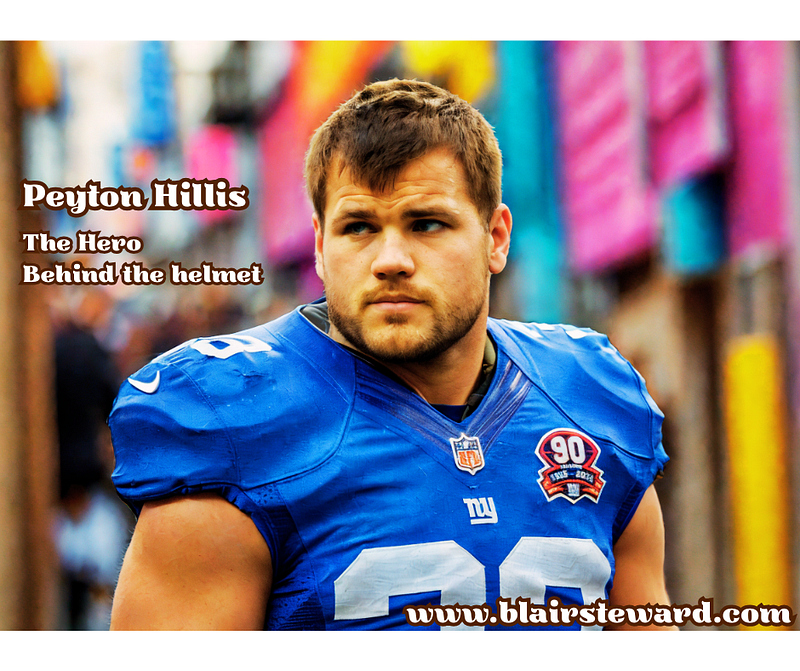
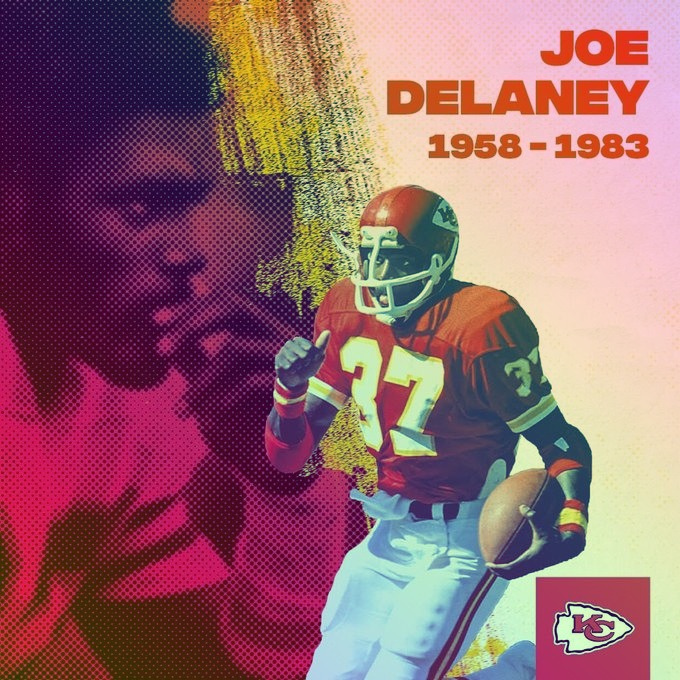
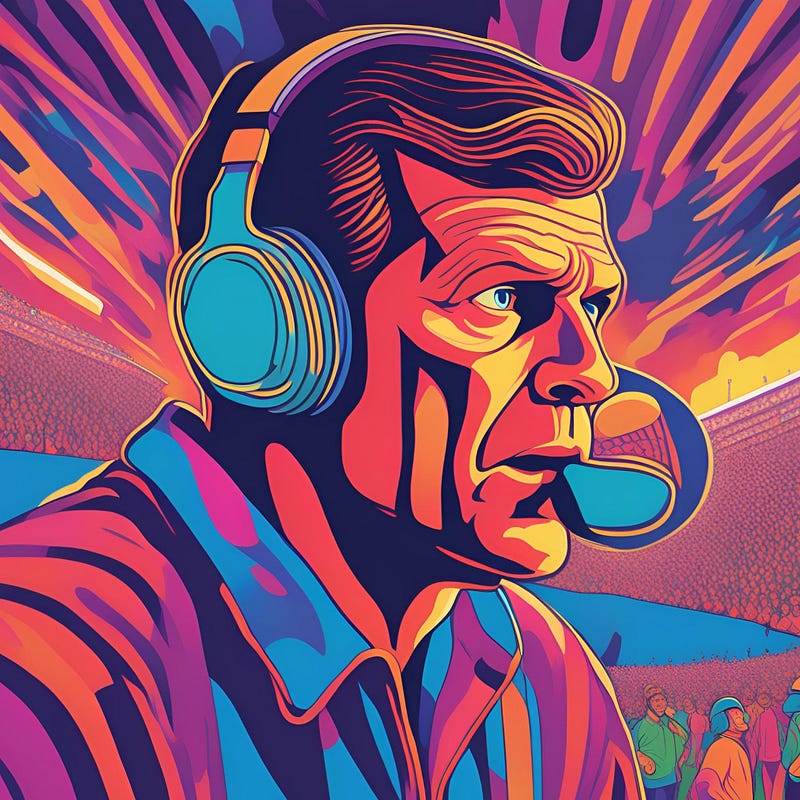
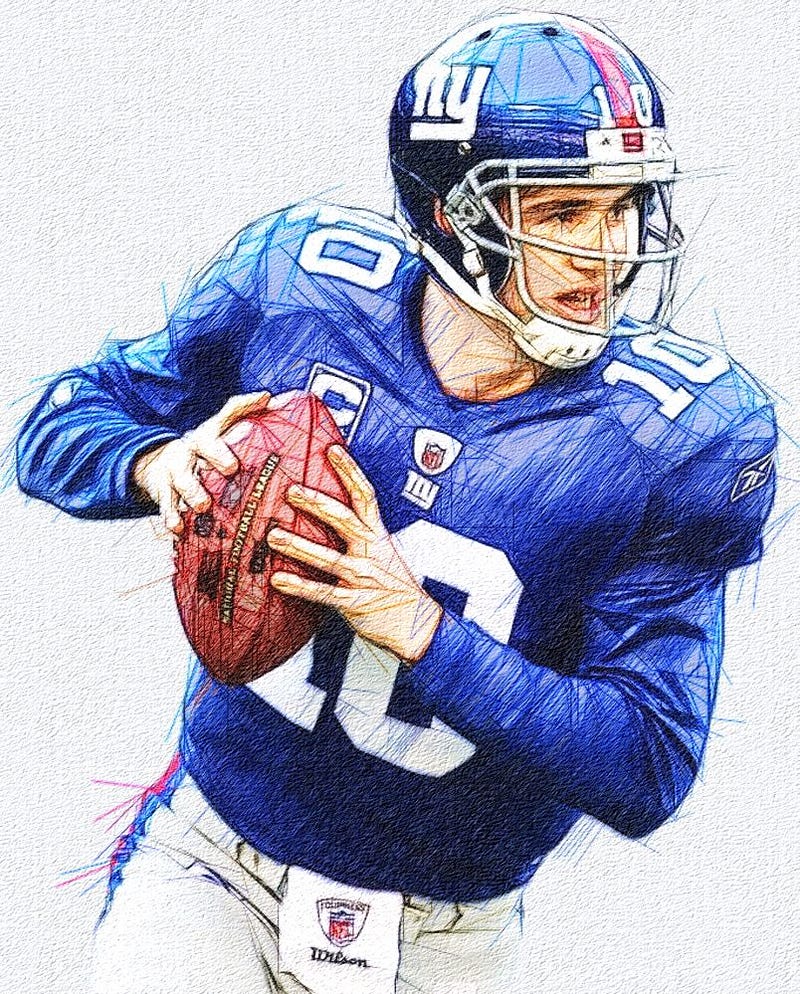
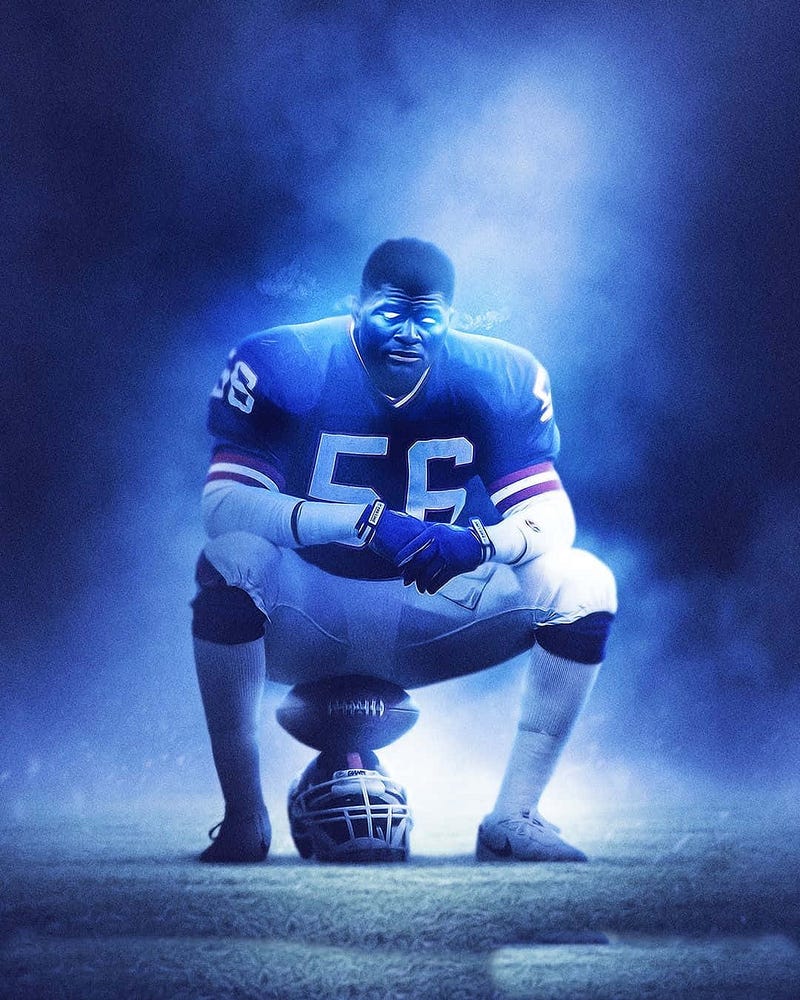
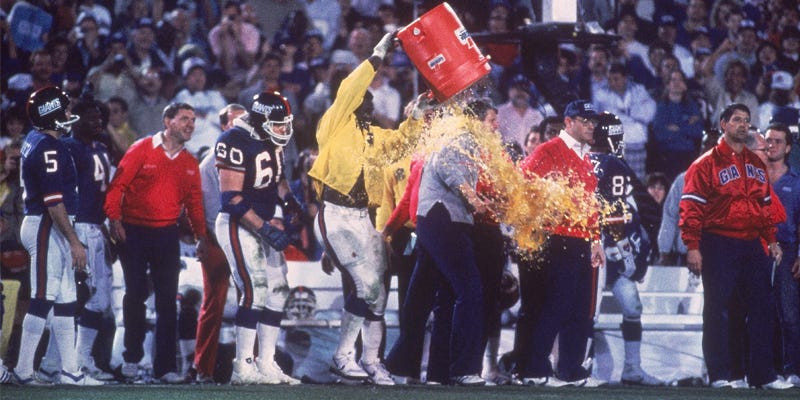

 Blair Steward