Katie’s Courage: Stand Up!

Blair Steward

Katie Meyer was not just any student athlete. She was a vibrant young woman whose very essence resonated with passion, determination, and a fierce commitment to justice. Born on September 11, 1998, in San Diego, California, her soccer journey began early, setting the stage for a life that would leave a lasting impact on both her peers and the world at large. A standout player since her youth, Katie quickly ascended the ranks in soccer, illuminating the field with her skills, agility, and strategic prowess, leading her to a place on Stanford University’s prestigious women’s soccer team.

At Stanford, Katie blossomed both as an athlete and as a person, earning accolades that documented her astounding talent and dedication. Every goal she scored and every assist she made came filled with the promise of a bright future, but beneath her success lay a story that would soon unfold into a powerful narrative of advocacy and resilience.

Katie’s collegiate years were a mix of triumph and adversity, a duality often faced by young athletes. On the field, she was celebrated. A key player who inspired her teammates with her relentless spirit and strategic acumen. Off the field, however, challenges loomed large. Katie was more than just a talented soccer player; she was a compassionate friend and an advocate for those who struggled in silence.

In August 2021, an incident occurred that would change the trajectory of Katie’s life. This was no ordinary event; it was a testament to her bravery and her unwavering commitment to standing up for her friends. A teammate confided that she had been assaulted by a Stanford football player. An experience that cut deep, igniting a need for justice. In response to this egregious violation, Katie’s instinct to protect her friend erupted in an impulsive act of solidarity; she spilled coffee on the football player in a moment of outrage. What she did was not just an act of retaliation; it was a powerful declaration against a culture that too often silenced the voices of those who had suffered.

Katie’s response, born from a place of empathy and advocacy, drew attention to critical issues surrounding consent and the need for accountability in instances of sexual misconduct. However, what followed was a series of events that highlighted disturbing flaws within the university’s disciplinary system. The potential threat of expulsion loomed over Katie, a consequence that seemed grossly disproportionate to her actions. This was a distressing reminder of how institutional priorities can overshadow the well-being of students, as the university focused more on maintaining its polished image than on addressing the inherent issues of sexual misconduct and the support necessary for its students.

The way Stanford handled Katie’s situation reveals a troubling narrative regarding the treatment of victims and those who stand up for them. In many ways, it exemplifies a culture of silence that prioritizes reputation over truth, making it perilous for victims to come forward and speak out. Katie’s case serves as a poignant reminder that the institutional structures meant to protect can, instead, inflict further harm.

The aftermath of the coffee spill served as a wake-up call, shedding light on the broader challenges that many student-athletes face. Amid the intense pressure of performative excellence, Katie was left to navigate a system that was meant to support her but threatened her future instead. Her history of mental health challenges compounded the emotional turmoil she experienced. Despite seeking help from sports psychologists, the support she received felt insufficient against the backdrop of overwhelming stress and fear of expulsion.

Katie Meyer became a symbol of courage, a person who dared to confront the status quo, even at significant personal risk. Her actions were a manifestation of her commitment to her friend and her conviction in the pursuit of justice. This spirit of standing up against injustice should not be met with condemnation but celebrated as an act of bravery. Yet, tragically, the response she received from the institution did not reflect the same commitment to justice that she fought for.

When we speak of Katie’s legacy, we must honor not only the young woman she was but also the lessons from her story. Lessons about the importance of fostering an environment where students feel safe advocating for themselves and others. Educational institutions must prioritize the well-being of their students, re-evaluating their policies to ensure they are supportive rather than punitive.

Upholding Katie’s legacy is vital. It is not merely about remembering a talented soccer player but recognizing the impact of her story in the broader context of student advocacy and the fight against sexual misconduct. When a student feels compelled to take action against injustice, it speaks volumes about the courage that resides within and the necessity of a supportive environment to nurture such bravery.

Katie Meyer’s story underscores the urgency for a cultural shift within academic institutions. Educational spaces must evolve into sanctuaries of learning, growth, and support. Places where students can voice their concerns without fear of repercussions. The chilling message that potential expulsion sends to students is clear; it suggests that protecting the university’s reputation is more important than safeguarding the well-being of its students.

Moreover, the issue of mental health support within educational institutions calls for immediate attention. The pressure faced by student-athletes often requires access to comprehensive health resources. Katie’s struggles highlight the necessity for universities to implement systems that prioritize psychological well-being as much as academic and athletic performance. Each student’s experience should be validated, and support should be accessible to those who navigate the complexities of both academics and personal challenges.

Katie’s case has opened up meaningful conversations about sexual misconduct and institutional accountability. It serves as a reminder that we must create a culture that encourages victims and advocates to speak out against wrongdoings without fear of retribution. In standing up for her friend, Katie Meyer subtly challenged all of us to confront uncomfortable realities and take a stand against injustice, no matter the cost.

In the wake of this tragedy, we must reflect on our societal values and how they inform our response to such incidents. We are called to embrace advocacy as a means of empowerment rather than isolating those who stand up against wrongdoing. By rallying behind Katie’s legacy, we must work collectively toward enacting the change that honors her courage. This means demanding that educational institutions genuinely prioritize the safety and well-being of their students.

Katie Meyer represents the spirit of a generation that advocates for justice. The legacy she leaves is not just about her story but about igniting a movement aimed at ensuring that student voices are heard and respected. When we support Katie’s legacy, we acknowledge the need for a society that champions equality, justice, and accountability.

The legacy of Katie Meyer serves as an enduring reminder that standing up for what is right often comes with risk, but it is always worth it. Her commitment to her friend, her courage in the face of adversity, and her passion for justice should inspire us all to act not only in solidarity with victims of sexual misconduct but also in support of a culture that values honesty and care over reputation.

As we remember Katie, let us channel her spirit into tangible actions: actions that demand change, foster support, and help create environments where every student feels safe and valued. Together, we can honor Katie’s spirit by ensuring that her story is not just remembered but serves as a catalyst for meaningful change, creating a legacy as vibrant and powerful as the young woman herself. In doing so, we not only pay tribute to Katie Meyer but also stand up for the countless others who, too, deserve justice and support.
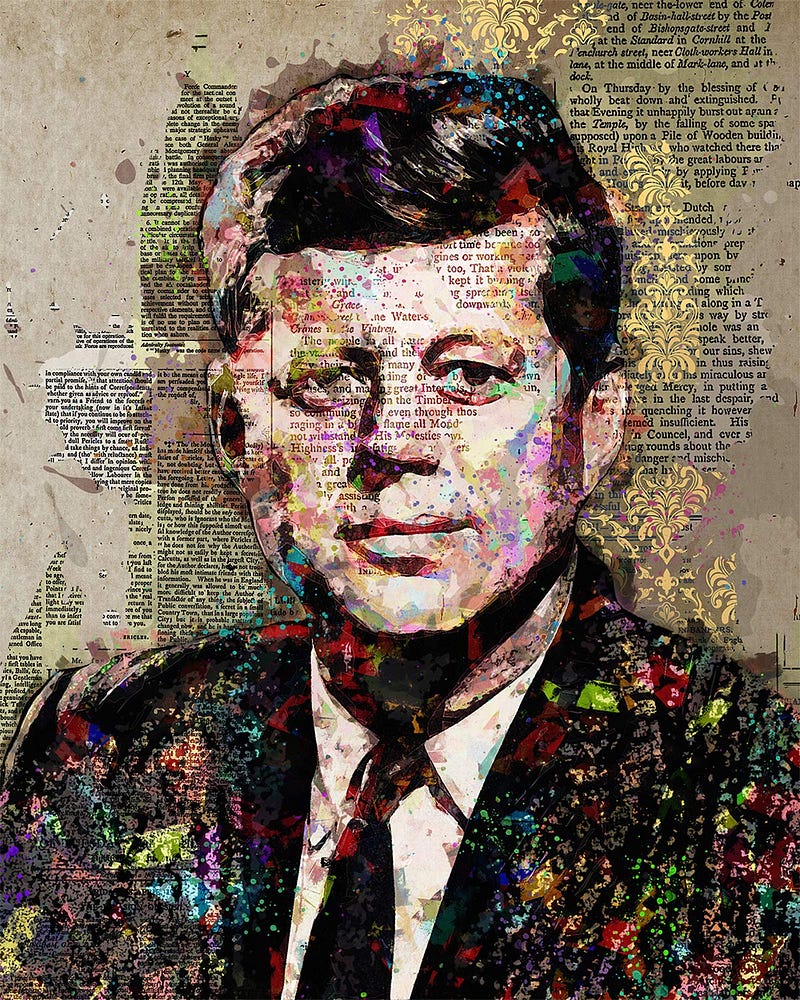

JFK Assassination: What the Newly Released Files Reveal

The assassination of John F. Kennedy on November 22, 1963, remains one of America’s most debated mysteries. Over the decades, countless theories have emerged, fueled by government secrecy, conflicting witness reports, and the slow release of classified materials. Even after the Warren Commission’s official conclusion that Lee Harvey Oswald acted alone, skepticism has persisted.

The continued release of classified documents—most recently under the JFK Records Act—has given us a clearer picture. While some questions remain, these newly revealed files provide insight into what the government knew, what it may have covered up, and whether conspiracy theories hold any merit.

So, what do these new files reveal? Do they confirm the lone gunman theory or fuel suspicions of a broader conspiracy? Here’s what we now know.

1. U.S. Intelligence was tracking Lee Harvey Oswald

One of the most significant revelations is the extent to which U.S. intelligence agencies were tracking Lee Harvey Oswald before the assassination. The newly released documents confirm that the CIA, FBI, and other agencies had Oswald under surveillance long before November 22, 1963.

Oswald had traveled to Mexico City just weeks before the assassination, where he visited both the Soviet and Cuban embassies in an attempt to secure a visa. The CIA intercepted Oswald’s communications during this time but took no direct action against him. This raises questions about why intelligence agencies did not see him as a significant threat.

A significant concern arising from this revelation is the possibility of an intelligence failure. If the CIA and FBI were monitoring Oswald, did they fail to prevent the assassination — or worse, did they let it happen? Some researchers believe the agencies knew of his movements but underestimated his potential danger. Others argue that intelligence officials ignored warning signs because of bureaucratic inefficiencies or a desire to conceal prior contact with Oswald.

2. The CIA Had Secret Links to Oswald and Concealed Evidence

For decades, the CIA has maintained that it had no direct involvement with Lee Harvey Oswald. However, the new documents challenge this claim.

Recently declassified files reveal that the CIA had a secret file on Oswald dating back to 1960, contradicting previous denials. Intelligence officials withheld this information from the Warren Commission and other investigators tasked with assessing the circumstances of JFK’s murder. Some of the documents also suggest that the CIA deliberately obstructed efforts to provide full transparency about Oswald’s past intelligence connections.

One particularly troubling aspect of the new files is the behavior of certain high-ranking CIA officials who seem to have actively worked to suppress information about Oswald. Why would they do this if the assassination was solely the work of a lone gunman? Some historians argue that the agency was engaging in damage control, fearing that revealing Oswald’s ties to intelligence operations could lead to accusations of CIA complicity in Kennedy’s assassination.

Regardless of the motivation, the fact that intelligence agencies hid key information for decades only fuels more profound skepticism about their role in the case.

3. High-Level Government Officials Suspected a Conspiracy

While the official government stance has always been that Oswald acted alone, private comments from high-ranking officials suggest that many were not so convinced.

FBI Director J. Edgar Hoover was one of the first officials to express doubts about the simplicity of the assassination. In a now-public memo written shortly after Oswald’s death at the hands of Jack Ruby, Hoover stated that the American public needed to believe Oswald was the lone killer, implying pressure to settle the case quickly rather than investigate further.

President Lyndon B. Johnson also voiced concerns about a broader conspiracy. According to recently disclosed government memos, Johnson suspected that foreign governments — most notably Cuba or the Soviet Union — could have been involved in JFK’s killing. However, he also feared that pursuing this line of investigation too aggressively could potentially push the U.S. into World War III.

Former CIA Director Richard Helms made cryptic remarks about Oswald’s intelligence ties that have led some experts to suspect that there is still classified information being withheld. These statements suggest that even among the highest levels of government, there was doubt about whether Oswald honestly acted alone.

4. The “Second Gunman” Theory Is Still Unresolved

Perhaps the most significant and most enduring mystery surrounding JFK’s assassination is whether there was a second shooter. While the documents do not definitively confirm or refute this theory, they provide significant clues that continue to fuel the debate.

Some recently released files discuss acoustic analyses of the gunshots, which suggest the possibility of multiple shooters. While these findings are controversial, they lend support to the theory that gunfire may have come from the famous grassy knoll rather than solely from the Texas School Book Depository.

Several witness testimonies and new reports question the viability of the “magic bullet” theory — the idea that a single bullet fired by Oswald caused multiple injuries to both JFK and Texas Governor John Connally. Some researchers argue that inconsistencies in the bullet trajectory make it unlikely that Oswald was the only shooter.

While definitive proof remains elusive, the new documents indicate that questions surrounding a second gunman are far from settled.

5. CIA and Mafia Links to JFK’s Death Still Seem Plausible

One of the most persistent theories regarding JFK’s assassination is that a powerful alliance between the CIA and the Mafia orchestrated it. The newly released documents further intrigue this possibility.

It has long been known that the CIA collaborated with Mafia figures such as Sam Giancana and Santo Trafficante in attempts to assassinate Cuban leader Fidel Castro. The newly declassified files provide further confirmation that these figures had extensive dealings with U.S. intelligence, raising questions about their potential involvement in Kennedy’s death.

Mafia informants and previously undisclosed agency records suggest that some high-ranking organized crime bosses believed Kennedy had betrayed them. Many mobsters were furious over his administration’s crackdown on organized crime, which they saw as a direct attack after their alleged support in getting Kennedy elected.

Jack Ruby, the nightclub owner who shot and killed Oswald, had Mafia ties as well, adding another layer of suspicion. Some researchers believe Ruby was ordered to silence Oswald before he could reveal deeper connections.

Although the latest documents provide no smoking gun, they offer further credibility to the theory that the assassination may have involved both intelligence agencies and criminal enterprises working together.

Final Thoughts: The Truth Is Closer — But Not Complete

Every new release of JFK assassination records brings us closer to the truth, but some critical files remain redacted or are delayed from public view.

What we do know now, without a doubt, is that intelligence agencies were monitoring Oswald before the assassination. We also know that the CIA withheld critical information from investigators and that high-ranking officials privately expressed doubts about the lone gunman theory.

What these files have not fully explained is whether Oswald was honestly acting alone or had assistance, whether the CIA, Mafia, or both played a direct role, and why, after 60 years, some documents are still classified.

Whatever the ultimate truth may be, the debate over JFK’s assassination is far from over.

The Liberation of Not Caring About Politics: Why Disengagement Might Be Your Healthiest Choice

In a world that demands constant political engagement, the radical act might be to step away entirely—and be unashamed about it.

Five years ago, I couldn’t start my day without checking three news sites and Twitter. I had notifications enabled for four political podcasts. My camera roll was filled with screenshots of outrageous statements from politicians I opposed. Polling numbers raised and fell my blood pressure. I donated monthly to campaigns and called my representatives weekly.

I was, by all conventional measures, a model engaged citizen.

I was also miserable, anxious, and increasingly unable to maintain relationships with people who didn’t share my exact political alignment.

Today, I’ve made a choice that would have horrified my former self: I’ve largely stopped caring about politics. Not entirely — I still vote — but I’ve consciously disengaged from the daily outrage cycle, the constant updates, and the cultural expectation to have passionate opinions about every political development.

This essay isn’t about convincing you that political issues don’t matter. Instead, it’s about questioning whether your constant engagement with them is serving you or the world in the way you believe it is.

The Unbearable Weightlessness of Caring

“How can you not care? These are life and death issues!”

This is the response I typically receive when I mention my political disengagement. It’s a statement designed to shame me and imply moral failure. Yet it rests on two flawed assumptions: that caring intensely changes outcomes and engagement in modern political discourse is the same as meaningful action.

Let’s examine what “caring about politics” actually entails for most Americans:

Reading news that triggers emotional responses. Sharing content that signals tribal affiliation. Arguing with strangers (or worse, family) online. Experiencing anxiety about events entirely outside our control. Developing increasingly rigid views to maintain group identity.

Notice what’s missing from this list: items that substantively change political outcomes or improve society.

The uncomfortable truth is that for most of us, political engagement is primarily performative — a way to signal virtue, manage anxiety through illusions of control, and fulfill our tribal needs. It’s emotional self-regulation masquerading as civic duty.

“But if everyone thought this way, democracy would collapse!” Perhaps. However, most arguments for universal engagement rest on an idealized version of citizen participation that bears little resemblance to what political engagement looks like in 2023.

The Attention Economy Has Weaponized Your Civic Duty

Modern political engagement doesn’t resemble the civics textbook model of informed citizens rationally debating policies. Instead, it operates more like an exploitative relationship where your attention and emotional energy are harvested for profit.

Consider these uncomfortable realities:

News organizations benefit from your outrage. Engagement-based business models promote the most emotionally activating content; your anger equals their profit.

Political campaigns weaponize fear: Most fundraising emails use apocalyptic language deliberately designed to trigger your amygdala, not inform your prefrontal cortex.

Social media algorithms amplify extremism: Moderate voices and nuanced takes don’t generate engagement; bombastic absolutism does.

Your anxiety has been monetized: Every panic-inducing push notification serves multiple commercial interests, regardless of its impact on your mental health.

What we call “staying informed” has transformed into a commercial enterprise designed to keep you in a perpetual state of agitation. The system isn’t intended to create an informed citizenry but to create an addicted audience.

“When I became politically engaged in college, I thought I was fighting the system,” explains Maria Hernandez, a former political organizer who stepped back from activism in 2021. “Eventually I realized I was just being manipulated by a different system — one that profited from keeping me outraged and anxious.”

The Diminishing Returns of Political Awareness

The most compelling reason to reconsider political engagement is its shockingly low return on investment in time, attention, and emotional energy.

Harvard political scientist Eitan Hersh calls this problem “political hobbyism” — treating politics as a spectator sport rather than focusing on activities that create actual change. In his research, Hersh found that many self-identified politically engaged Americans spend hours consuming political content but mere minutes (if any) on activities that might influence outcomes.

Think about your political engagement over the past year:

How many hours did you spend consuming political content? How much of that information do you still remember? What tangible actions resulted from this knowledge? How did these actions measurably impact any outcomes? What was the opportunity cost and emotional energy at this time?

For most people, honest answers to these questions reveal a disturbing inefficiency. We’ve been sold the idea that constant awareness equals impact, when evidence suggests the opposite. Most political information we consume is forgotten within weeks, while the anxiety it produces can last much longer.

“I tracked my media consumption for a month,” shares James Richardson, a former political junkie from Atlanta. “I was spending 15–20 hours weekly on political content. When I evaluated what came from those hours — regarding actions taken or useful knowledge retained — it was maybe 15 minutes worth of value. That was my wake-up call.”

The False Moral Equivalence of Engagement

The most insidious aspect of modern political culture is how it equates emotional engagement with moral virtue. This creates a particularly toxic thought pattern: *If I’m not constantly outraged about injustice, I must not care about it. I must be privileged and callous if I’m not anxious about politics.*

This formulation manipulates your best qualities — empathy, moral compass, and desire to help others — and redirects them toward activities that primarily serve commercial and political interests rather than creating meaningful change.

Consider a radical alternative: What if disengaging from the political outrage cycle freed your emotional and practical resources for more effective contributions to your community?

Evidence suggests this is precisely what happens. Studies of effective altruism consistently find that meaningful positive impact rarely correlates with political news consumption. The most effective change-makers often ignore daily political drama to preserve their energy for targeted action.

“I used to believe staying informed was a moral obligation,” explains Dr. Emma Chen, a psychologist specializing in civic engagement and mental health. “Now I see it differently. There’s a finite amount of cognitive and emotional capacity humans have. Using it on low-impact political consumption means it’s unavailable for high-impact direct action.”

What Purposeful Disengagement Looks Like

To be clear, political disengagement doesn’t mean becoming apathetic to suffering or abandoning all civic responsibility. Rather, it means:

Recognizing the difference between information and influence means understanding that most political content you consume has no relationship to your ability to create change.

Practicing strategic ignorance: Deliberately remaining uninformed about political dramas that you can’t influence and don’t directly affect your necessary decisions.

Redirecting civic energy to direct impact: Focusing on local, tangible actions rather than distant national outrages.

Rejecting the moral framework that equates constant awareness with virtue: Understanding that being perpetually informed and outraged is not the same as being ethical or practical.

Setting boundaries around political content: Treating political information like any consumption choice, with deliberate limitations.

Michael Johnson, a community organizer in Detroit, describes how this approach transformed his work: “I check national news once a week now, instead of hourly. I’ve redirected those hours to actual community work. My impact has increased while my anxiety has plummeted. The irony is that by ‘caring less’ about politics as a spectator sport, I’m more effective at creating actual political change.”

The Liberation of Low-Information Living

Beyond the practical benefits, there’s a profound personal liberation in stepping away from the constant political awareness our culture demands.

After reducing my political media consumption by roughly 80%, I experienced several unexpected changes:

Rediscovering common humanity: Without constantly categorizing people by their political views, I found it easier to connect across differences.

Improved critical thinking: Less exposure to tribal signaling allowed more independent evaluation of individual issues.

Mental health improvements: Significant reductions in anxiety, sleep disturbances, and rumination.

Reclaimed time and attention: Hours previously lost to outrage were redirected to relationships, creativity, and direct community involvement.

Greater equanimity: Reduced emotional volatility and reactivity in all areas of life.

These benefits aren’t unique to me. Research increasingly shows that news avoidance correlates with better mental health outcomes without necessarily reducing civic participation where it matters most.

“There’s a growing recognition in psychology that constant engagement with negative political news functions similarly to other maladaptive coping mechanisms,” explains Dr. Samuel Park, who researches media consumption and mental health. “It provides a short-term illusion of control while intensifying anxiety and learned helplessness over time.”

Finding Your Disengagement Equilibrium

Political disengagement exists on a spectrum, and finding your equilibrium requires honest self-assessment about what level of engagement serves you and others.

Some practical approaches to consider:

Audit your impact-to-anxiety ratio. Track how much time you spend consuming political content versus taking meaningful action. If the ratio exceeds 10:1, consider whether this allocation serves your stated values.

Implement strict information diets. Set specific, limited times for political content consumption rather than allowing it to permeate your entire day. Many find that 15–30 minutes once or twice weekly provides sufficient awareness without the psychological toll.

Focus locally, where impact-per-hour peaks. Research consistently shows that local civic engagement creates far more impact per hour invested than national political attention. School boards, city councils, and community organizations offer tangible influence that national political consumption rarely provides.

Practice identity-light citizenship. Develop civic practices that don’t require strong partisan identity attachment. For example, volunteer at a food bank rather than a campaign office or support issue-based community work rather than party-based activism.

“The question isn’t whether to care about your community,” notes Professor Melissa Turner, who studies civic engagement. “It’s whether constant consumption of national political content is the most effective expression of that care. The evidence suggests it rarely is.”

The Counterintuitive Path to Real Impact

The final irony of political disengagement is that it often leads to more meaningful civic contribution, not less.

When we step back from the daily political content cycle, several things happen:

Our thinking becomes more independent and less reactive. We become less likely to support policies simply because “our side” endorses them.

We redirect energy to areas where our agency can create measurable outcomes, rather than diffusing it across distant conflicts we cannot meaningfully influence.

We develop greater capacity for nuance and complexity, restoring our ability to see others as multidimensional humans rather than political avatars.

We recover mental bandwidth for creative problem-solving rather than endless problem-rumination.

“My most politically effective friends are the least politically obsessed,” observes community organizer David Lin. “They vote, they show up for important local issues, but they’re not drowning in the daily outrage cycle. That selective engagement gives them energy for action when it matters.”

Permission to Disconnect

If you’ve read this far, perhaps you’re feeling something I felt years ago — a mix of relief and guilt. Relief at the possibility of stepping away from the exhausting cycle of political consumption, guilt at what feels like abandoning your civic duty.

Consider this your permission slip to disconnect.

Your mental health is not a worthy sacrifice on the altar of political awareness. Your time is too valuable to consume information that doesn’t lead to meaningful action. Your humanity is too precious to be reduced to political positions.

Democracy needs thoughtful, energized, and effective citizens — not exhausted, anxious, and trapped in information loops that benefit media companies more than communities.

“The most radical act today might be protecting your attention,” suggests media theorist Dr. James Williams. “Deciding consciously what deserves your finite cognitive resources rather than having that decision made by algorithms optimized for engagement, not wellbeing or democratic health.”

Perhaps caring less about politics—or, more accurately, caring differently—isn’t an abdication of civic responsibility. It might help us rediscover what citizenship means beyond the endless outrage cycle that has colonized our minds, relationships, and society.

This isn’t an argument for ignorance, but for intentionality. Not for apathy, but for effective action. Not for disconnection from our communities, but for apathy, our humanity, rather than disconnection from our communities

In a world that demands your constant political engagement, choosing when and how to engage might be the most radical act of citizenship available to you. Choosing to occasionally not engage at all is the most revolutionary act of self-care.