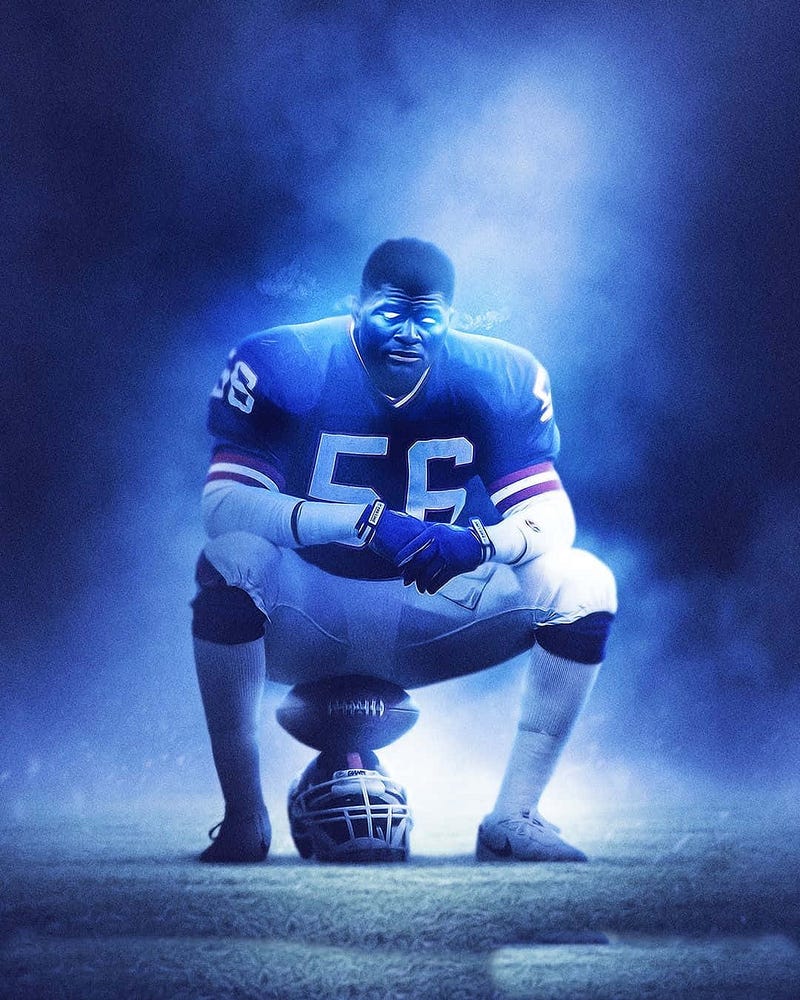
Enduring the Cycle of Emotional Neglect and Stoicism

Emotional neglect in childhood can have profound and lasting effects on an individual’s psychological and emotional development. Often overlooked and underestimated, emotional neglect occurs when a child’s emotional needs are consistently unmet by their caregivers. This form of neglect can be as detrimental as physical or sexual abuse, yet it remains a silent epidemic, shaping the lives of countless children and adults. Understanding the risks and impacts of emotional neglect is crucial for fostering healthier, more resilient individuals and societies.

Life without support leaves invisible wounds that can be just as painful and debilitating as physical scars. Children who experience emotional neglect often grow into adults who struggle with a deep sense of inadequacy, low self-worth, and difficulty forming and maintaining healthy relationships. The emotional void created by neglect can manifest in various ways, including difficulty regulating emotions, low self-esteem and self-worth, trust issues and social withdrawal, overprotectiveness and people-pleasing, and difficulty with intimacy and vulnerability.

For instance, a child who does not receive adequate emotional support may struggle to identify, understand, and manage their emotions as they grow older. This emotional dysregulation can lead to outbursts of anger, anxiety, or depression, as well as difficulties in coping with stress and adversity. Moreover, emotionally neglected individuals often become overprotective of themselves and their emotions, erecting walls to shield themselves from further hurt. They may also engage in people-pleasing behaviors, prioritizing the needs and desires of others to gain approval and validation. Furthermore, emotional neglect can make it challenging for individuals to be vulnerable and intimate with others. Fear of rejection and abandonment can lead to a cycle of pushing people away, resulting in feelings of loneliness and disconnection.

Emotional neglect often perpetuates a cycle that can be difficult to break. Children who experience emotional neglect may grow into adults who struggle with their emotional availability and parenting skills, inadvertently repeating the cycle with their children. This intergenerational transmission of emotional neglect can have far-reaching effects on families and communities. For example, consider a child who grows up in a home where emotional needs are not met. This child may internalize the belief that their feelings are unimportant, leading to a lifelong pattern of suppressing emotions and avoiding intimacy. As an adult, this individual may struggle to provide the emotional support and validation that their children need, continuing the cycle of neglect.

The risks of emotional neglect extend beyond the individual, affecting society as a whole. Emotionally neglected individuals may struggle with mental health issues, substance abuse, and difficulties in their personal and professional lives. This can lead to increased healthcare costs, reduced productivity, and a strain on social services. Moreover, emotional neglect can contribute to a culture of stoicism and emotional suppression, particularly among men. Societal expectations often dictate that men should be strong, independent, and emotionally resilient, discouraging the expression of vulnerability and need. This cultural norm can exacerbate the effects of emotional neglect, leading to a generation of men who struggle with their emotional health and well-being.

While the focus is on the general risks and impacts of emotional neglect, sharing a personal story can provide insight into the lived experience of this silent epidemic. Growing up, I experienced a significant amount of emotional neglect from my parents. Their love was present but distant, and I often felt like an afterthought in their lives. This emotional void left me with a deep sense of inadequacy and a desperate need for validation from others. As I entered my teenage years, I began to act out, seeking attention and validation from my peers. I became involved in risky behaviors, pushing the boundaries to feel a sense of control and worth. This period of my life was marked by substance abuse, academic struggles, and volatile relationships. I was desperate for connection but felt socially awkward and backward, unable to form meaningful friendships. In my twenties, I became wildly dependent on others for a sense of self-worth and validation. I formed intense, codependent relationships, fearing that any independence would lead to abandonment. These relationships were emotionally draining and often unhealthy, as I sought constant reassurance and validation from my partners. I turned to drugs and alcohol as a coping mechanism, further complicating my emotional turmoil. It was not until my thirties that I began to address the deep-seated emotional wounds of my past. Through therapy and building a support network, I learned to challenge the stereotypes and expectations placed on men, recognizing that emotional vulnerability is a strength, not a weakness. I began to understand that my feelings and needs were valid and that it was okay to express them openly.

Breaking the cycle of emotional neglect requires awareness, effort, and support. Seeking professional help, such as therapy, can address the deep-seated emotional wounds and develop healthier coping mechanisms. Building a support network of empathetic and understanding individuals can provide the emotional nurturing that was often missing in childhood. Practicing self-compassion involves being kind and compassionate toward oneself, acknowledging that having emotional needs is a normal and healthy part of being human. Developing healthy boundaries in relationships, including learning to say no and expressing needs assertively, is also crucial. Engaging in self-care activities that nourish emotional, physical, and mental health can have a profound impact on overall well-being. Additionally, educating oneself about emotional neglect and its consequences can empower individuals to make conscious choices about their healing journey.

Society and culture play a significant role in perpetuating or alleviating the effects of emotional neglect. Cultural norms and expectations around masculinity, in particular, can exacerbate the emotional struggles of men. Encouraging emotional honesty and vulnerability in men can help challenge these stereotypes and create a more supportive environment for emotional healing. Education and awareness campaigns can also play a crucial role in addressing emotional neglect. By raising awareness about the risks and impacts of emotional neglect, we can encourage early intervention and support for individuals and families affected by this issue. Schools, healthcare providers, and community organizations can all contribute to this effort by providing resources, training, and support.

This cycle of pain is a silent epidemic that leaves invisible wounds, shaping the lives of countless children and adults. The risks and impacts of emotional neglect are profound and far-reaching, affecting individuals, families, and society as a whole. By understanding the cycle of emotional neglect and taking steps to address its effects, we can foster healthier, more resilient individuals and communities. Breaking the cycle of emotional neglect requires awareness, effort, and support. Through therapy, building a support network, practicing self-compassion, and engaging in self-care, emotionally neglected individuals can heal and thrive. Society and culture also play a crucial role in perpetuating or alleviating the effects of emotional neglect, and encouraging emotional honesty and vulnerability can help challenge stereotypes and create a more supportive environment for healing. In sharing my personal story, I hope to shed light on the lived experience of emotional neglect and the journey toward healing and self-discovery. Together, we can challenge the stereotypes and expectations that have held us back, creating a more emotionally honest and fulfilling life for ourselves and those around us. By raising awareness and providing support, we can break the cycle of emotional neglect and build a future where every child’s emotional needs are met, nurtured, and valued.


The Power of Vulnerability: How Sharing Our Struggles Can Strengthen Relationships

In a world that often celebrates strength and resilience, there’s a quiet power in vulnerability that can strengthen our relationships and enrich our lives. Vulnerability is usually seen as a weakness, something to be hidden or overcome. However, embracing our vulnerabilities can foster deeper connections, build trust, and create a sense of community. This article examines the transformative power of vulnerability and how sharing our struggles can promote more meaningful and authentic relationships.

Understanding Vulnerability

Vulnerability, at its core, is about exposing ourselves to our fears, insecurities, and uncertainties in front of others. It’s the willingness to be seen, to be known, and to be accepted for who we truly are, flaws and all. Brené Brown, a renowned researcher and storyteller, defines vulnerability as “uncertainty, risk, and emotional exposure.” She argues that vulnerability is not a weakness but a strength that allows us to connect with others on a deeper level.

When we are vulnerable, we are taking a risk. We are choosing to step out of our comfort zones and share parts of ourselves that we usually keep hidden. This act of courage can be terrifying, but it is also incredibly liberating. By embracing vulnerability, we open the door to authentic connections and meaningful relationships.

The Benefits of Sharing Our Struggles

1. Deeper Connections: When we share our struggles with others, we invite them into our inner world. This level of intimacy fosters a deeper understanding and empathy between people. It creates a safe space where both parties can be authentic, leading to more meaningful and lasting connections.

2. Building Trust: Vulnerability is a two-way street. When we open up about our struggles, we encourage others to do the same. This reciprocal sharing builds trust and strengthens the bond between individuals. It sends a message that it’s okay to be vulnerable and that we are there to support each other.

3. Creating a Sense of Community: Sharing our struggles creates a ripple effect. It inspires others to share their own experiences, leading to a collective sense of understanding and support. This community of shared experiences can be incredibly healing and empowering, reminding us that we are not alone in our journeys.

4. Personal Growth: Embracing vulnerability is a journey of self-discovery. It forces us to confront our fears and insecurities, leading to personal growth and self-acceptance. By sharing our struggles, we gain a deeper understanding of ourselves and develop the resilience to face future challenges.

5. Inspiring Others: Our stories of struggle and triumph can inspire others to face their challenges. By being vulnerable, we show others that it’s okay to be imperfect and that there is strength in seeking help and support. Our vulnerability can become a beacon of hope for those who are struggling, reminding them that they are not alone.

Overcoming the Fear of Vulnerability

Despite the benefits, vulnerability can be scary. The fear of judgment, rejection, or exposure can hold us back from sharing our true selves. Here are some strategies to overcome this fear:

1. Start Small: You don’t have to share your deepest, darkest secrets all at once. Begin with smaller, less intimidating topics and gradually progress to more personal subjects as you become more comfortable.

2. Choose Safe Spaces: Share your struggles with people you trust and who create a safe, non-judgmental space. This could be close friends, family members, or support groups where you feel accepted and understood.

3. Practice Self-Compassion: Be kind to yourself as you embark on this journey. Acknowledge that vulnerability is challenging and that it’s okay to feel scared. Treat yourself with the same compassion and understanding you would offer to a close friend.

4. Reframe Vulnerability: Instead of seeing vulnerability as a weakness, try to reframe it as a strength. Remember that it takes courage to be vulnerable and that doing so can lead to deeper, more authentic connections.

5. Seek Support: Don’t be afraid to seek professional help if you’re struggling with vulnerability. Therapists and counselors can provide a safe space to explore your fears and insecurities and develop the skills to embrace vulnerability.

Real-Life Examples of Vulnerability

To illustrate the power of vulnerability, let’s look at a few real-life examples:

1. Brené Brown: As mentioned earlier, Brené Brown is a leading voice on the subject of vulnerability. In her renowned TED Talk, “The Power of Vulnerability,” she shares her struggles with vulnerability and how embracing it has transformed her life and relationships. Her work has inspired millions of people to embrace their imperfections and connect with others on a deeper, more authentic level.

2. Dwayne “The Rock” Johnson: Even celebrities are not immune to the power of vulnerability. Dwayne “The Rock” Johnson, known for his tough-guy image, has openly shared his struggles with depression and the importance of seeking help. By doing so, he has inspired countless fans to confront their mental health challenges and seek the support they need.

3. Amanda Gorman: Amanda Gorman, the youngest inaugural poet in U.S. history, has used her platform to share her struggles with speech impediments and social anxiety. Her vulnerability has resonated with audiences worldwide, inspiring them to embrace their imperfections and pursue their dreams despite their fears.

Embracing Vulnerability in Daily Life

Embracing vulnerability is not just about sharing our deepest struggles; it’s also about incorporating this mindset into our daily lives. Here are some practical ways to do that:

1. Active Listening: When someone shares their struggles with you, practice active listening. Please give them your full attention, show empathy, and validate their feelings. This creates a safe space for them to be vulnerable, which in turn strengthens your connection.

2. Express Gratitude: Regularly express gratitude for the people in your life. Acknowledge the impact they have on you and express your sincere appreciation for them. This openness can foster a more profound sense of connection and vulnerability in your relationships.

3. Ask for Help: Don’t be afraid to ask for help when you need it. Whether it’s seeking support from friends, family, or professionals, asking for help shows that you are comfortable being vulnerable and that you trust others to support you.

4. Share Your Journey: Share your growth journey with others. Talk about the challenges you’ve faced, the lessons you’ve learned, and the person you’ve become as a result. Your story can inspire others and create a sense of community and shared experience.

5. Practice Empathy: Cultivate empathy by trying to understand and share the feelings of others. When someone is struggling, put yourself in their shoes and offer support and compassion. This empathetic connection can deepen your relationships and create a supportive network.

The Role of Vulnerability in Leadership

Vulnerability is not only critical in personal relationships, but it also plays a crucial role in leadership. Leaders who are willing to be vulnerable create a culture of trust, openness, and authenticity within their teams. Here’s how vulnerability can enhance leadership:

1. Building Trust: Vulnerable leaders build trust with their teams by showing their human side. When leaders share their struggles and uncertainties, it creates a safe space for team members to do the same, fostering a culture of openness and honesty.

2. Encouraging Innovation: Vulnerability encourages risk-taking and innovation. When leaders are comfortable admitting they don’t have all the answers, it empowers their teams to think creatively, take calculated risks, and learn from failures.

3. Strengthening Team Bonds: Sharing personal struggles and successes as a leader can strengthen the bonds within the team. It creates a sense of camaraderie and mutual support, where team members feel valued and understood.

4. Modeling Resilience: Vulnerable leaders model resilience by demonstrating how they recover from setbacks. This inspires their teams to develop their resilience and persevere in the face of challenges.

5. Fostering a Growth Mindset: Leaders who embrace vulnerability foster a growth mindset within their teams. They encourage learning, adaptation, and continuous improvement, recognizing that failures and setbacks are opportunities for growth and learning.

Conclusion

The power of vulnerability lies in its ability to transform our relationships, enrich our lives, and create a sense of community. By embracing our struggles and sharing them with others, we foster deeper connections, build trust, and inspire personal growth. Vulnerability is not a weakness but a strength that allows us to connect with others on a profound level.

As we navigate our journeys, let us remember the transformative power of vulnerability. Let us create safe spaces for ourselves and others to be authentic, to struggle, and to grow. In doing so, we build a world where connections are meaningful, support is abundant, and every person feels seen, heard, and valued.

So, take a risk, share your story, and watch as your relationships blossom into something wonderful and authentic. The power of vulnerability awaits, ready to transform your life in ways you never imagined.

The Comeback of Community: How Stories of Perseverance Inspire in Uncertain Times

In a world that sometimes feels increasingly isolated, we’re witnessing something remarkable: the resurgence of community. As an author who has spent years exploring human connections through storytelling, I’ve observed how communities rally in challenging times, finding strength in their collective spirit. The most powerful catalyst for this reunion? Stories of perseverance that remind us we’re not alone in our struggles.

When Stories Become Our Shared Language

Stories have always been the threads that weave communities together. From ancient campfires to modern book clubs, narratives create spaces where people find common ground despite their differences. These shared narratives have become even more crucial in today’s fractured landscape.

I recently spoke with members of a small Pennsylvania town that faced devastating flooding last year. What struck me wasn’t just their rebuilding efforts but how they gathered weekly to share their experiences, documenting their journey through a community journal that will eventually become part of their local library’s collection.

“When we share our stories, we share our strength,” said Elaine, the 72-year-old librarian who initiated the project. “The words become stepping stones across the flood.”

This mirrors what organizations like FEMA’s Resilient Nation Partnership Network have discovered: personal narratives are powerful tools for building more resilient communities. Hearing how others overcame similar challenges cultivates hope and practical wisdom that spreads throughout the community.

The Resilience Ripple Effect

Communities facing existential threats often discover unexpected reserves of collective strength. Consider the transformation of Greensburg, Kansas, which was rebuilt as a model green town after being destroyed by a tornado in 2007. Their story continues to inspire other communities facing climate disasters.

Similarly, researchers at the University of Michigan have documented how marginalized communities have developed sophisticated resilience strategies based on local knowledge networks. These communities, often overlooked in larger discussions about climate adaptation, have created models of sustainable community power worth emulating.

The key lesson? Resilience isn’t just about returning to normal — it’s about growing stronger through adversity and sharing that journey with others.

As I’ve traveled across America researching my next book (more details coming soon at https://blairsteward.com/books), I’ve collected stories of communities that transformed crisis into opportunity:

  • A former coal mining town that reinvented itself as an outdoor recreation hub
  • A neighborhood that turned vacant lots into community gardens after economic collapse
  • A coastal village that developed innovative flood protection while strengthening community bonds

Each community’s story becomes a blueprint for others, creating a domino effect of resilience that spreads far beyond geographical boundaries.

The Storytellers Among Us

Every community has storytellers who preserve memories, challenge perspectives, and imagine new possibilities. These individuals often emerge organically during difficult times, becoming the keepers of the community narrative.

Syracuse University’s Engaged Humanities Network recently showcased collaborative projects, such as Write Out, which engages young people in storytelling about their communities, and Project Mend, which supports incarcerated individuals and their families through creative expression. These initiatives demonstrate how storytelling can create bridges between divided groups and heal community wounds.

“Stories are how we make sense of chaos,” explains Dr. Maria Sanchez, a community psychologist I interviewed for this piece. “When we frame our struggles as part of a larger narrative, we transform them from random suffering into meaningful chapters of our collective journey.”

Technology: The New Community Campfire

While nothing replaces face-to-face connections, technology has created unprecedented opportunities for communities to form, sustain, and grow—especially when physical gatherings become impossible.

The World Economic Forum has highlighted how technology can power resilient communities by creating intersections of opportunity, disruption, and innovation. During the pandemic, we saw this play out as neighborhood apps connected volunteers with vulnerable residents, virtual support groups formed for those experiencing similar hardships, and collaborative digital platforms emerged to solve local problems.

I’ve witnessed this firsthand through my online writing community (which you can join at https://blairsteward.com/where-i-write). What began as casual conversations during lockdown evolved into a tight-knit group that has supported members through job losses, health crises, and creative blocks. The digital campfire became a place of genuine connection.

The key is balance — using technology to enhance rather than replace in-person community building. The most resilient communities I’ve encountered use digital tools strategically while maintaining spaces for physical gatherings when possible.

Building Forward: Community Resilience in 2025 and Beyond

The Pandemic Action Network has identified resilience as a key theme for 2025, emphasizing the relationship between communities and the planet. This forward-looking approach recognizes that the challenges ahead — from climate change to economic uncertainty — will require unprecedented community cooperation.

What might this look like in practice? Based on the emerging patterns I’ve observed:

  1. Hyper-local focus with global connections: Communities strengthening neighborhood ties while maintaining awareness of and solidarity with similar communities worldwide.
  2. Skill-sharing networks: Formalized systems for community members to teach each other practical skills — from gardening to basic construction to conflict resolution.
  3. Community storytelling infrastructure: Dedicated spaces, events, and platforms for preserving and sharing local stories, particularly from elders and marginalized voices.
  4. Resilience hubs: Designated physical spaces that serve multiple functions — emergency shelters, community centers, skill-sharing venues — and build community cohesion during regular times.
  5. Intentional diversity: Recognition that resilient communities actively cultivate diverse perspectives, backgrounds, and skills.

Stories as Seeds of Resilience

As we face an uncertain future, stories of perseverance become more than inspiration—they’re practical tools for community survival and flourishing. Communities that actively collect, preserve, and share their stories develop stronger identities and greater capacity to weather whatever storms lie ahead.

This has profound implications for writers, artists, and everyday citizens. We plant seeds of resilience in our communities every time we share our stories of overcoming challenges — whether through published works, social media posts, community events, or dinner table conversations.

As the writer Rebecca Solnit observed, “Inside the word ‘emergency’ is ‘emerge’; from an emergency, new things come forth.” The stories we tell during and after emergencies help determine what emerges from our collective experiences.

Your Story Matters

I’ve spent my career exploring human connections through fiction and nonfiction (browse my full catalog at https://blairsteward.com/books). Still, I’m continually reminded that the most potent stories often come from ordinary people facing extraordinary circumstances.

Your story of perseverance—whether it involves rebuilding after a disaster, navigating personal loss, or finding community in isolation—matters more than you know. When shared, it becomes part of the collective wisdom that helps others navigate similar challenges.

I invite you to consider the following: What story of community resilience are you part of? How might sharing your experience strengthen others? The community’s comeback depends on all of us recognizing our role in the larger narrative.

As we move forward into uncertain times, remember that every community that has survived hardship has a story worth telling — and every story told builds a bridge to a more resilient future.

If you’d like to share your community’s story of perseverance or discuss how storytelling builds resilience, I’d love to hear from you. Reach out through https://blairsteward.com/contact or join the conversation on my latest article at https://blairsteward.com/blog.

Together, we’re writing the next chapter of community resilience.

Finding Purpose in the Final Quarter: Why I Write Stories That Matter

Finding Purpose in the Final Quarter: Why I Write Stories That Matter

I write at my desk in the quiet hours before dawn, when my children still dream, and my wife sleeps peacefully beside me. The words don’t always come easily. Some days, they feel trapped behind a fog that grows thicker yearly. But I write every day with whatever clarity I can muster.

I write because I must because time isn’t on my side, and because stories saved me, and I believe they might save someone else.

My name is Blair Steward, and I’m racing against an invisible clock.

The Game That Gave and Took

Football defined much of my life. From the peewee leagues, where I first learned to drop back in the pocket, through high school, where dreams began to seem possible, to college and beyond, where I pursued the game with single-minded determination, I was always the quarterback. I loved everything about it — the strategy, the camaraderie, the perfect spiral cutting through the autumn air, the roar when you connect on a deep route.

I didn’t understand then the price my brain was paying with each hit, each “get back up, shake it off” moment, and each “seeing stars” that coaches dismissed with a water break. By 26, I had hung up my cleats, but the damage was already done. It wasn’t my head that did it, it was a Lis Franc fracture that I still limp with to this day. I’m 35 years old now.

The diagnosis came later: Chronic Traumatic Encephalopathy (CTE). The progressive brain condition associated with repeated blows to the head wasn’t just from football, though. My childhood had its playbook of trauma, with physical abuse that my young brain absorbed long before I ever stepped onto a field.

The symptoms worsen gradually — memory problems, confusion, impaired judgment, impulse control issues, aggression, depression, and eventually progressive dementia. There’s no cure, only management, only precious time to use what remains of my cognitive function.

This isn’t a plea for sympathy. It’s the context for urgency.

Stories as Salvation

Books were always my sanctuary. When life at home became unbearable, when locker room bravado felt hollow, and when the post-football identity crisis hit, stories provided both escape and understanding. They helped me make sense of my experiences and showed me possibilities beyond my immediate circumstances.

After my diagnosis, when I could no longer work a traditional job due to my cognitive challenges, I found myself returning to stories, but from the other side. What if I could create the kind of narratives that had once saved me? What if I could speak directly to young people navigating their difficult passages?

This wasn’t about building a literary career. It was about purpose, legacy, and using whatever time and mental clarity I had left to craft something meaningful that might outlast my functioning mind.

So, I began writing young adult novels centered on sports and history, stories that would entertain me while delivering the hard-earned wisdom I wished someone had shared with me. These were not morality tales but authentic coming-of-age journeys where characters face real challenges, make mistakes and grow.

The Urgency of Now

Here’s the brutal truth that shadows every word I write: I likely won’t see my children graduate from high school. The progression of my condition means there will come a time, probably sooner than most parents face, when I won’t fully recognize the beautiful family that gives my life meaning. When memory, when our shared joy will become inaccessible to me, though they’ll remain with them.

This reality creates an urgency that fuels my writing. Each story completed is a piece of myself preserved, lessons and values captured while I can still articulate them. Each book is a time capsule of the father and man I am now before the progressive cognitive decline takes that away.

My wife understands this urgency. She creates the space and time for me to write, managing more than her share of parenting duties when I’m having difficult days. She knows these stories aren’t just books — they’re a form of extended presence, a way for our children to know their father’s mind and heart even when direct communication becomes impossible.

Not Your Typical Author Marketing

This is where my approach diverges from conventional author promotion. I don’t have the luxury of time to promote my literary career through traditional channels. I can’t do extensive book tours or speaking engagements — my good days are unpredictable, and public appearances can be overwhelming for my compromised cognitive processing.

Social media marketing requires consistent engagement and strategic thinking, which becomes more challenging as my condition progresses. The standard advice to “build your author platform” assumes capabilities and timeline advantages I don’t possess.

More importantly, the audiences typically targeted by algorithmic marketing aren’t necessarily the readers who need these stories the most.

My books are written for young people at crucial crossroads, for parents and teachers looking to connect with this generation, and for anyone who feels misunderstood by conventional systems. They’re for the quietly struggling athlete, the student who doesn’t fit neatly into established categories, and the young person seeking models of authentic strength and vulnerability.

These readers aren’t always the ones most visible to publishing algorithms. They’re often found through word-of-mouth, a teacher’s recommendation, or a parent who recognizes their child in a character description.

A Different Kind of Request

So here’s what I’m asking, without pretense or marketing strategy: If you believe in the power of stories to guide, comfort, and transform young lives, consider sharing mine.

Visit www.blairsteward.com or search for Blair Steward on Amazon. Read the sample chapters. If they resonate with you, if you see value in these narratives, help them reach the people who might need them.

This could mean recommending them to a young person in your life, suggesting them to a school or community library, sharing them with parents navigating the challenges of raising teenagers or passing them along to coaches working to build character alongside athletic skills.

I’m not focused on bestseller lists or literary accolades. I’m interested in these stories reaching the specific young people who might find in them what I once sought in books — understanding, direction, and the reassurance that their path, however unconventional, can lead to purpose.

The Legacy That Matters

My four-year-old daughter and six-year-old son are still too young to read my novels, but someday they will. When they’re teenagers navigating their own complex worlds, I may no longer be able to offer real-time fatherly advice. My condition will likely have progressed to a point where our relationship bears little resemblance to what it is now.

But these books will be there. The values, lessons, and perspectives will be preserved in stories about young people finding their way. My voice, heart, andyEndymionrheartwwilll will be captured in narratives they can revisit throughout their lives.

That’s the true purpose behind my writing. The books are for young readers everywhere, but they’re also time capsules for my children — messages in bottles sent forward to a future where I’ll still be present physically but perhaps absent in the ways that matter most to parent-child relationships.

A Final Word of Gratitude

If you’ve read this far, thank you. Thank you for giving attention to the words of someone you don’t know, whose circumstances might seem far removed from your own.

Whether or not my books ever find their way into your hands or the hands of someone you care about, I’m grateful for the moments of your life you’ve shared with me through this reflection.

The progression of CTE has taught me that consciousness, memory, and identity — the very things we take most for granted — are precious and fragile. Each moment of connection, however brief, matters. Each story shared, value transmitted, and authentic exchange creates ripples that extend beyond our limitations.

So while I have this moment of clarity, while words still organize themselves coherently in my mind and find their way to the page, I’ll keep writing stories that will matter. Stories that might offer direction to young people navigating difficult passages. Stories that preserve something of my better self for my children’s future.

In the case you want to, you can find my books at www.blairsteward.com or by searching Blair Steward on Amazon. Montgomery Majors, Paperback Playbook, To Detonate a Diamond and many more are available in print and Kindle.

And if they speak to you, if they feel like stories that should be shared, I would be deeply grateful for your help guiding them to the readers who might need them most.

Thank you for your time, your attention, and your consideration.

Why Do NFL Coaches Still Cover Their Mouths When Calling Plays?

In the age of encrypted headsets and high-definition broadcasts, one of football’s oldest sideline habits persists. What are they hiding?

By Blair Steward

Anyone who has watched the NFL has seen the now-familiar gesture. A coach clamps a laminated play sheet to his mouth, leans into his headset, and relays vital information. Defensive coordinators do it. Quarterbacks do it. Head coaches do it so often that it has become a feature of the game’s visual language.

This gesture resembles something secretive—like a code relayed during a war room operation. To the casual viewer, it seems like common sense. Yet when examined closely, a question arises that most people never voice: Why is this still necessary?

The NFL uses encrypted coach-to-player headsets. Signals are secure. Teams do not have access to each other’s communications. In an era when technology governs nearly all aspects of the game, what function does hiding one’s mouth serve?

The answer is equal parts strategic, psychological, and cultural. It reveals more about how the modern NFL operates than one might expect.

The Origin: Lip Reading in the HD Era

The most common explanation for this behavior involves lip reading. That defense is not unfounded. During the 2000s, as television broadcasts transitioned to high-definition, everything changed. Previously, grainy images gave way to crisp facial detail. Broadcast crews began capturing sideline reactions during breaks in play. Once immune to visual scrutiny, coaches became visible to millions of viewers — and potentially to opponents.

Teams did not take long to use these broadcasts as scouting assets. Staffers began analyzing opposing coaches’ verbal cues. Some even assigned interns to review footage frame by frame, searching for repetitive mouth movements that could be linked to play calls. What began as curiosity began to resemble espionage.

To combat this new threat, coaches began shielding their mouths. The logic was sound. If facial movements could be tied to known plays or situational cues such as audible checks or blitz calls, then total visual discretion was necessary. A habit was born. Over time, it became a ritual.

Encrypted Communication Changed the Game — But Not the Habit

Eventually, the NFL responded to growing concerns by implementing enhanced communication protocols. Coach-to-player audio transmissions are now encrypted, limited to designated personnel, and monitored by the league. Quarterbacks and defensive captains receive transmissions through helmet speakers that cut off with fifteen seconds remaining on the play clock. These measures prevent cross-channel interference and ensure information security.

Given these protections, shielding one’s mouth might seem obsolete. If no one can intercept the audio, what is truly being protected?

The answer lies in the fact that not all communication happens via headset. Coaches still rely on face-to-face instruction with players—position coaches relay tactics between downs. Defensive coordinators shout to on-field personnel during pre-snap adjustments. In many of these cases, mouth movement is visible.

In such moments, a play sheet or clipboard becomes a low-tech but effective encryption method. Even if no opponent is actively lip-reading, the risk of habitually revealing something remains. For coaches, it only takes one mistake to cost a game — or a job.

The Spygate Legacy and Culture of Suspicion

No conversation about sideline secrecy would be complete without addressing the Spygate scandal. In 2007, the New England Patriots were penalized for videotaping the New York Jets’ sideline during games to decode defensive signals. Although the central issue involved signal stealing, not audio or lip-reading, the scandal permanently shifted the league’s culture.

Coaches became hyper-aware of information exposure. The idea that one team might be trying to steal another’s signals no longer felt theoretical — it became institutional memory. From then on, every possibility, no matter how unlikely, had to be guarded against. Precaution turned into a professional imperative.

The practice of mouth covering became not just defensible but necessary. A laminated play card upset no one, but a security breach, even unintended, could end a season.

Paranoia, in football as in espionage, often prevails over probability.

Not Every Sideline Conversation Is Private

As mentioned earlier, not all game-time communication goes through the headset. A significant portion of coaching still happens the old-fashioned way: in-person, face-to-face, often during moments of urgency or ehaos.

For example, defensive coordinators frequently use hand or mouth signals during hurry-up situations when time is short and substitutions are in flux. Coaches cannot always rely on the radio relay, particularly for non-captain players. These sideline moments are visible to fans, cameras, and opponents.

Theoretically, if a camera can see a coach’s lips move, anyone could capture and analyze that footage. While the average opposing coach may not be scouring tape for lip movements, larger staffs, digital equipment, or even independent analysts could use specialized techniques to monitor speech recognition on game film.

Against that backdrop, shielding one’s mouth is not excessive. It is common sense.

Broadcast Cameras Raise the Stakes

In the modern NFL, games are productions. Every major broadcast features many cameras, many in motion, recording from multiple angles—the sky, the end zone, and the sideline. These feeds don’t just reach television audiences. They exist in public record and are available to anyone willing to invest the time, equipment, and ethics to review them.

Close-up shots of coaches before and after plays are now part of every broadcast. The reasoning is straightforward: television wants emotion, intimacy, and storyline-building. However, this also means the speech of any frustrated coach or captured communication can be read, analyzed, or taken out of context.

Even perceived emotion can become a spectacle. A coach muttering under his breath without covering his mouth might inspire a viral clip, a Twitter controversy, or shaky amateur interpretations. If a coach’s words appear to criticize a player or second-guess a decision, it becomes “headline material” — regardless of accuracy.

In that light, mouth-covering becomes reputation management. It protects not just tactics, but a coach’s public image.

Ritual, Routine, and Human Psychology

Beyond the strategic rationale lies a more straightforward, human truth: people cling to routine. Many coaches began shielding their mouths years ago. They won a key game while doing it, and their teams improved. Eventually, it became part of their mental preparation.

Top-level athletes and coaches rely on rhythm and superstition, not just reason. They rehearse game-day behaviors not to appear logical but to feel emotionally in control. Covering one’s mouth becomes a subtle psychological anchor—a gesture that confirms focus and quiets the noise surrounding high-stakes decision-making.

Take that gesture away, and the coach may feel unexpectedly exposed.

Even among those who understand the encryption mechanics and dismiss surveillance concerns, the act serves an internal purpose. It acts like a shield on a racehorse— a brief shield from sensory overload.

A Deliberate Act of Control in a Chaotic Game

Consider that football is a game with rapidly moving parts, limited time, and enormous pressure. Every decision is both tactical and emotional. The margin for error is vanishingly tiny. A sour call can mean between advancing to the playoffs and missing the postseason.

In that environment, rituals gain importance. Devices like play sheets or clipboards become more than tools — they become buffers against distraction. When a coach covers his mouth during a play call, he engages in a highly deliberate, physical act of narrowing his focus. It signals seriousness. It marks the moment as important.

Whether it deters espionage or not, it reminds the speaker—and everyone watching—that the stakes are significant.

Who Are They Hiding From?

Here lies the paradox. The gesture may have begun as a countermeasure against actual lip-reading. It may have evolved as a reaction to scandals like Spygate. Yet today, the gesture is not just about throwing a defense off balance. It shields a coach not from rivals across the field, but from fans, media, and even self-doubt.

NFL broadcasts are no longer games. They are spectacles. A coach’s face may be in close-up more often than a quarterback’s. In that world, every angle is a camera angle. Every sigh is dissected.

So, when a coach covers his mouth during a routine series, he’s not just keeping the defense honest. He is protecting the one thing he must preserve in that moment: clarity.

Final Thought

The most minor habits often speak volumes in a game governed by inches, decisions, and details. Coaches cover their mouths not because it is always necessary, but because, in their world, even unnecessary precautions are required.

The practice may feel outdated. It may no longer prevent most tactical data from leaking. Yet, it creates a moment of control—a rare shield against known enemies and unknown vulnerabilities. In professional football, every edge matters, even an imagined one.

The next time you watch an NFL game and see a coach raise a play sheet to his lips, know that the gesture you are witnessing is not just strategic. It is psychological. It is historical. It is human.

In a sport where so much happens behind the scenes, the most important call of the game may be the one you never hear — and never see.

The Hidden Game: How NFL Teams Use Psychological Warfare to Break Their Opponents

Beyond the crushing tackles and athletic displays lies an invisible battlefield where mind games determine winners long before the scoreboard does.

In the waning moments of Super Bowl LIV, as the San Francisco 49ers’ championship hopes collapsed under Patrick Mahomes’ onslaught, something peculiar happened on the Chiefs’ sideline. Defensive coordinator Steve Spagnuolo turned to safety Tyrann Mathieu and whispered something. Mathieu nodded, approached the line of scrimmage for the next defensive play, and said three words to 49ers quarterback Jimmy Garoppolo.

Three words that visibly rattled the quarterback.

Garoppolo threw an incompletion on the next play, followed by an interception that effectively sealed the game.

What were those three words? Neither Mathieu nor Garoppolo will say publicly. However, according to a Chiefs defensive coach who requested anonymity, they referenced a specific tendency Garoppolo displayed throughout the season — one that Kansas City had identified and exploited all game long.

This moment exemplifies the psychological dimension of professional football that fans rarely glimpse but that increasingly determines outcomes at the sport’s highest level.

The Mind Game Behind the Physical Game

Professional football is the ultimate physical contest: 300—pound linemen collide, receivers accelerate to superhuman speeds, and quarterbacks absorb bone-crushing hits. Yet beneath this visible spectacle lies an intricate psychological battle that coaches, players, and team psychologists craft with scientific precision.

“The physical aspect of football is maybe 60 percent of the game now,” explains Dr. Michael Peterson, former performance psychologist for three NFL teams. “The other 40 percent is mental — not just knowing assignments, but psychological warfare. Who can break the other team’s concentration, create doubt, and exploit cognitive weaknesses.”

This psychological dimension operates on multiple levels, from organizational culture to gameday tactics to individual matchups. Teams that master these invisible dynamics gain advantages that no stat sheet captures.

Weaponizing Information: The New Intelligence War

The NFL’s psychological battlefield begins long before kickoff with intelligence gathering that would impress government agencies.

“Every team now employs people whose sole job is tracking personal information about opponents,” reveals Marcus Johnson, a veteran NFL scout. “Relationship troubles, financial problems, health issues in the family — anything that might indicate vulnerability or distraction.”

While teams have always studied opponents’ playing tendencies, this personal intelligence gathering represents a newer, more invasive frontier. This information shapes targeted psychological tactics deployed during games.

Consider the case of a Pro Bowl offensive tackle who experienced an uncharacteristically poor performance against an average defensive end in 2019. What fans didn’t know: the defensive end had spent the game whispering details about the tackle’s ongoing divorce proceedings — information gathered from the tackle’s estranged wife’s public Instagram posts.

“He knew things nobody should have known,” the offensive tackle later admitted to teammates. “It completely took me out of my game.”

This intelligence war extends to tracking opponents’ social media activity, monitoring player interviews for signs of insecurity, and even — according to two team executives — hiring private investigators to compile dossiers on key opponents.

The Science of Breaking Confidence

Beyond gathering intelligence, teams systematically undermine opponents’ confidence using principles derived from sports psychology and cognitive science.

“Professional athletes operate in flow states that depend on unshakable confidence,” sports psychologist Dr. Rebecca Chen explains. “Disrupt that confidence, even momentarily, and performance deteriorates dramatically.”

Teams deploy various techniques to create these disruptions:

Targeted Trash Talk

While trash talk seems like spontaneous bravado, elite practitioners use it with surgical precision. All-Pro cornerback Richard Sherman famously studied communication styles of opposing receivers to customize his psychological approach.

“Some guys fold if you attack their technique. Others crumble if you mention their contract situation,” Sherman explained in a 2021 podcast. “I had different approaches for different receivers based on what would get under their skin.”

Former Ravens linebacker Ray Lewis took this approach further, compiling what teammates called his “weakness book” — specific verbal triggers for opponents based on their personal histories, playing insecurities, and recent mistakes.

“It wasn’t random,” explains former Ravens defensive coordinator Rex Ryan. “Ray knew exactly what would make each quarterback or running back hesitate for that crucial half-second.”

Pattern Disruption

NFL teams increasingly employ “pattern breakers” — unexpected tactics to disrupt opponents’ mental routines.

The Patriots under Bill Belichick became masters of this approach. Before a crucial 2018 game against the Chiefs, New England noticed quarterback Patrick Mahomes’ habitually adjusting his helmet with both hands after receiving play calls. During the game, Patriots defenders repeatedly yelled “Shift!” just as Mahomes reached for his helmet — causing momentary confusion about whether the defense was shifting or creating distraction.

“It sounds trivial,” notes former Patriots linebacker Tedy Bruschi, “but these micro-disruptions accumulate. By the fourth quarter, the quarterback second-guesses everything — including his routine.”

Exploiting Performance Anxiety

Perhaps most sophisticated is how teams target known pressure points in opponents’ mental game.

A striking example occurred during the 2017 playoff game between the Vikings and Saints. Minnesota identified that Saints safety Marcus Williams struggled with tackling anxiety in critical situations—a weakness rarely displayed but documented in the Vikings’ scouting reports. In the game’s final drive, Vikings play-callers deliberately designed routes to force Williams into open-field tackling situations, culminating in the missed tackle that allowed the “Minneapolis Miracle” touchdown.

“We knew Williams got in his head during big tackle moments,” a former Vikings assistant coach revealed. “That final play targeted his psychological profile as much as his playing position.”

Inside the Minds: Players Who Master the Mental Game

Certain players have elevated psychological manipulation to an art form, building reputations as mental chess masters among their peers.

Tom Brady’s psychological prowess remained primarily invisible to fans but was legendary among defenders. Beyond his physical gifts, Brady systematically undermined defenders’ confidence through subtle tactics, from identifying which defenders reacted emotionally to mistakes to manipulating officials within earshot of opponents who had just been penalized.

“Brady would compliment refs on their calls when defenders were nearby,” reveals former Dolphins defensive end Cameron Wake. “He’d say, ‘ Great call on that holding, he’s been doing it all day.’ In the next series, that defender hesitates and is worried about flags. Pure psychological genius.”

Few mastered mental manipulation on defense like former Ravens safety Ed Reed, who elevated deception to unprecedented levels.

“Reed would deliberately display false tendencies in the first quarter,” explains former Ravens defensive coordinator Rex Ryan. “He’d show a specific reaction to certain formations three or four times, knowing quarterbacks would identify the pattern. Then he’d break the pattern for an interception in crucial situations.”

Perhaps most notorious was Ndamukong Suh, whose psychological tactics extended beyond his well-publicized aggressive play.

“Suh would memorize information about offensive linemen’s families and businesses,” a former teammate reveals. “In the trenches, between plays, he’d casually mention a lineman’s wife’s name or their kid’s school. It was chilling how specific the information was — and how effectively it distracted opponents.”

The Dark Arts: Controversial Psychological Tactics

Some psychological tactics cross into ethically questionable territory, creating controversy within the league.

Several teams have admitted manipulating injury information to target players returning from specific injuries. In a particularly controversial example, Panthers linebacker Luke Kuechly faced an unusually high number of plays targeting his coverage responsibilities immediately following his return from concussion in 2016 — a pattern repeated across multiple teams facing players returning from head injuries.

“It’s uncomfortable to acknowledge, but targeting recently concussed players with complex mental processing plays is a strategy,” admits a current NFL offensive coordinator who requested anonymity. “We design plays that force them to make quick diagnostic decisions, knowing they’re often hesitant after returning from head injuries.”

Even more controversial is the deliberate triggering of emotional reactions in players with known penalty histories or frustration issues.

“There are players known as ‘penalty inducers’ whose real job is getting opponents flagged,” explains veteran NFL referee Walt Coleman. “They’ve studied which opponents have short fuses and exactly what buttons to push to cause costly penalties.”

Former Seahawks cornerback Richard Sherman has called out this practice: “Some guys are on rosters primarily because they’re good at getting opponents to lose control. It’s not about their playing ability — it’s their psychological manipulation skills.”

The Countermeasures: Mental Armor in the Modern NFL

As psychological warfare intensifies, teams are developing sophisticated countermeasures to protect players’ mental states.

The Seahawks under Pete Carroll pioneered comprehensive psychological training, bringing in performance psychologists and meditation experts to build players’ mental resilience. Russell Wilson famously worked with mental conditioning coach Trevor Moawad to develop “neutral thinking” — a cognitive approach that protected him from emotional manipulation during games.

Other teams employ more targeted approaches. The Chiefs provide offensive linemen with custom in-helmet ear plugs that selectively filter frequencies, allowing them to hear quarterback signals while blocking out the specific pitch ranges most commonly used for trash talk.

Perhaps most advanced, several teams now conduct psychological vulnerability assessments of their players to identify and address potential weak points before opponents can exploit them.

“We do full cognitive and emotional profiles,” explains a current NFL team psychologist. “If a player has sensitivity around a specific topic — maybe family issues or performance under pressure — we build customized mental training to strengthen that area before it becomes a target.”

Some players develop their mental armor. All-Pro receiver DeAndre Hopkins created what he calls “sensory narrowing,” a technique that eliminates peripheral awareness during crucial plays, rendering trash talk inaudible.

“When the ball’s in the air, I enter a mental state where I can’t hear anything except my breath,” Hopkins explained. “It took years of meditation to develop, but it makes me immune to psychological tactics in crucial moments.”

The Future: Cognitive Science and the Next Frontier

As teams exhaust current psychological tactics, the next frontier involves even more sophisticated applications of cognitive science.

Several NFL organizations now employ neuroscientists to identify cognitive biases in decision-making that might affect opponents’ coaching staffs. By tracking statistical tendencies, these specialists can predict how specific coaches will respond to pressure situations based on their psychological profiles.

“We know some coaches become significantly more conservative on fourth down when they’ve recently experienced a failed conversion,” explains Dr. Sarah Williams, a cognitive scientist consulting multiple NFL teams. “Others show distinct play-calling patterns when nationally televised games versus regional broadcasts. These are cognitive biases we can exploit.”

Some teams are exploring even more advanced territory. Two NFL franchises reportedly use artificial intelligence to analyze opponents’ micro-expressions during press conferences and sideline footage, identifying emotional states that might indicate areas of concern or confidence.

“The technology can determine with surprising accuracy when a coach is expressing false confidence about an injured player’s status,” notes sports technology expert Marcus Chen. “These micro-expression analyses inform game planning in ways that weren’t possible five years ago.”

The Human Element in a High-Tech Game

Despite escalating psychological sophistication, the most effective practitioners emphasize that the core of mental warfare remains fundamentally human.

“All the technology and science ultimately comes down to one question: can you make another professional athlete doubt himself at the crucial moment?” says Hall of Fame cornerback Deion Sanders. “That’s been the game within the game since football began.”

What’s changed is the scientific precision and organizational resources dedicated to this invisible battlefield. As former Patriots linebacker Tedy Bruschi puts it: “Fans see the hits and the touchdowns. They don’t see the psychological operations departments working year-round to identify how to break another man’s confidence when millions are watching and everything’s on the line.”

For players caught in this mental crucible, the challenge becomes maintaining authentic performance while surrounded by psychological manipulation.

“The greats can acknowledge the mind games without being controlled by them,” explains Dr. Peterson. “They recognize the psychological tactics while staying connected to their performance fundamentals.”

As the 2023 NFL season approaches, teams are already gathering intelligence, crafting targeted psychological approaches, and preparing for battles that will never appear in box scores but will decisively impact who hoists the Lombardi Trophy.

The next time you see a puzzling mistake by an otherwise flawless athlete, or a team unexpectedly losing composure in a crucial moment, remember: you’re likely witnessing the effects of the hidden game. This psychological warfare increasingly separates champions from contenders in today’s NFL.

The Hidden Power of Boredom: Why Doing Nothing is the Key to Unlocking Creativity and Success

In today’s hyper-connected world, boredom has become the enemy. Every spare moment is filled with notifications, social media scrolling, Netflix binges, or podcasts in the background. Standing in line for coffee? We check emails. Waiting at a red light? We glance at our phones.

We’ve been conditioned to believe that every second must be maximized and that doing nothing wastes time. Productivity gurus preach efficiency, and technology ensures we never truly sit in silence.

But what if our fear of boredom is holding us back?

What if the very thing we avoid — space, stillness, idleness — is the key to creativity, deep thinking, and long-term success?

This article will explore why boredom is essential for your brain, how it leads to breakthrough ideas, and why embracing it will make you more creative, productive, and fulfilled.

The Science of Boredom: Why Your Brain Needs It

Boredom Sparks Creativity

Neuroscientists have long studied the “default mode network” (DMN), a set of interconnected brain regions that become active when we are not focusing on anything in particular.

This network is often dismissed as “mind-wandering” or “zoning out,” but research shows it’s critical for high-level thinking, problem-solving, and innovation.

A 2013 study published in Frontiers in Psychology found that when people engaged in tedious, repetitive tasks (such as copying numbers from a phone book), their ability to generate novel and creative ideas significantly increased.

Why? Boredom allows the brain to disconnect from external distractions and turn inward. It creates space for subconscious connection, which signals to find insights and breakthrough ideas.

Your Most Brilliant Ideas Happen When You’re Not Working

Think about it:

  • Have you ever had an incredible idea while showering?
  • Have you suddenly figured out a problem while going for a walk or lying in bed?
  • Have you ever felt stuck trying to solve something — only to have the answer pop into your head when you weren’t even thinking about it?

This isn’t a coincidence. It’s how your brain works.

When we constantly flood our minds with external input (social media, news, podcasts, messages), we leave no room for original thoughts.

Boredom forces your mind to work backstage, synthesizing information, making new connections, and delivering creative breakthroughs.

Boredom and Productivity: The Hidden Link

Ironically, the most productive people—the top entrepreneurs, artists, and thinkers—often schedule time for nothingness.

How “Unproductive Time” Leads to Better Work

Bill Gates takes two “Think Weeks” per year, isolating himself in a cabin with no distractions — no meetings, no calls, just books and space to process ideas.

Steve Jobs was known for taking long walks with no agenda, using them to ponder, reflect, and spark his most innovative ideas.

Many of history’s greatest thinkers—Isaac Newton, Albert Einstein, and Nikola Tesla—credited their discoveries to hard work and unstructured, uninterrupted thinking time.

Doing nothing isn’t being lazy — it’s strategic.

When you step away from constant busyness and leave space for deep thought, you increase the chances of making breakthrough connections that compound over time.

The Problem With Constant Stimulation

Today, we rarely allow our minds to be bored.

Every second of downtime is filled with input — music, YouTube videos, group chats, and notifications.

However, constantly stimulating ourselves weakens our ability to focus, think deeply, and generate original ideas.

1. The Dopamine Trap: Why You’re Addicted to Stimulation

Each time we check our phones, we get a hit of dopamine — the brain’s “reward chemical.” It feels good, so we keep doing it.

The more we condition ourselves to seek stimulation, the harder it becomes to sit in silence.

And over time, this harms us in two ways:

  • We lose the ability to focus intensely because we always chase quick distractions.
  • We kill creativity because our minds never get the space to process ideas.

2. The Decline of Attention Spans

A Microsoft study found that the average human attention span has dropped to just 8 seconds—shorter than that of a goldfish.

Why? Because the modern world encourages constant task-switching and mental stimulation.

Focusing intensely for long periods is becoming a rare superpower. One of the best ways to rebuild that skill is to embrace boredom.

How to Use Boredom to Your Advantage

To become more creative, productive, and focused, you must intentionally create space for boredom.

Here’s how:

1. Schedule “Unstructured Thinking Time”

Block off 30–60 minutes daily where you do nothing productive.

  • No phone
  • No podcasts
  • No distractions

Go for a walk, sit silently, or stare out a window. Although initially uncomfortable, your brain will start making new connections and generating creative ideas. Overr time

2. Stop Filling Every Free Moment with Stimulation

The next time you’re waiting in line, commuting, or taking a break, resist the urge to grab your phone.

Instead, let your mind wander.

You might be surprised at how many unique ideas, insights, and solutions come to you in these seemingly “boring” moments.

3. Take a “Distraction Detox”

Try a one-day dopamine reset:

  • No social media
  • No unnecessary phone use
  • No news, TV, or podcasts

Just silence and space for your brain to think freely.

At first, it will feel uncomfortable — maybe even unbearable. But by the end of the day, you’ll notice something powerful:

  • Your thoughts feel clearer
  • Your focus sharpens
  • Your creativity increases

The world will feel slower, and your mind will feel more in control.

4. Implement the 3B Rule: Bathtub, Bus, Bed

A simple trick for creativity is to capture ideas when they come to you during boredom.

Robin Sharma calls this the 3B rule — your best ideas often arrive in the:

  • Bathtub (or shower)
  • Bus (or commuting/walking)
  • Bed (right before sleep)

Keep a notebook nearby to capture insights when they come. Some of your most brilliant thoughts will arrive when you’re not even trying to think.

5. Replace Passive Stimulation with Active Reflection

Instead of mindlessly consuming content, try replacing it with active thinking.

Instead of listening to a podcast, spend 10 minutes reflecting:

  • What interesting ideas have I heard lately?
  • What problems am I trying to solve?
  • What’s something I need to think more about?

Writing down thoughts will deepen your thinking and create more original ideas.

The Future Belongs to Those Who Can Think Deeply

The people who succeed in the future will be those who can focus, think deeply, and generate new ideas — not just those who consume the most content.

Most of society is addicted to distraction.

However, the few who embrace boredom will unlock higher creativity, problem-solving, and success levels.

The next time you feel the urge to fill every gap of time with stimulation — resist it.

Instead, give yourself the gift of nothingness.

Your best ideas are waiting. Let them come to you.