
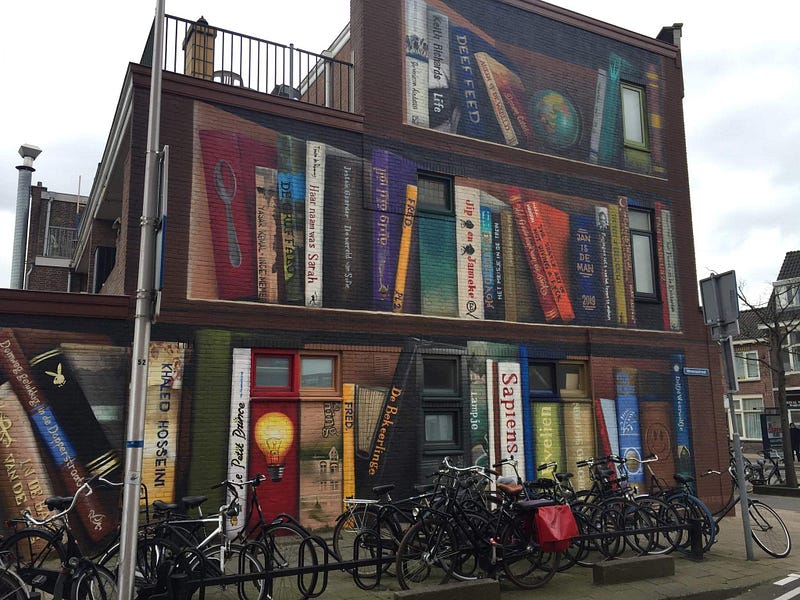
The Unexpected Resurgence of Print
For years, the book industry was dominated by predictions of digital takeover. With the rise of e-readers, audiobooks, and subscription-based services offering unlimited access to digital libraries, many assumed physical books would slowly become obsolete. Publishers shifted their focus to digital formats, bookstores struggled to stay relevant, and tech companies promoted the convenience of carrying an entire library in the palm of your hand.
Yet, against the odds, an unexpected reversal is taking place. Gen Z, the very generation raised on tablets, smartphones, and high-speed internet, is fueling a renewed demand for physical books. Independent bookstores are thriving, sales of printed books are outpacing e-books, and a new reading culture centered around the aesthetic appeal of bookshelves is spreading rapidly on social media platforms like TikTok.
This shift raises an intriguing question: Why is a generation so deeply immersed in technology suddenly embracing old-fashioned print?
The Digital Overload Backlash
One of the main reasons behind this trend is the growing fatigue associated with excessive screen time. Unlike previous generations who gradually adapted to digital life, Gen Z was born into it. From early childhood, they have been surrounded by smartphones, tablets, and computers. Their education, entertainment, and social interactions have largely taken place in a digital landscape. As a result, they have experienced firsthand the mental exhaustion that comes from constant online engagement.
E-books, while convenient, are fundamentally tied to the same devices that dominate other aspects of daily life. Reading on a Kindle, phone, or tablet may offer accessibility, but it also means dealing with digital notifications, social media distractions, and the temptation to multitask. The simple act of picking up a printed book, on the other hand, provides a distraction-free experience that allows for deeper immersion. Unlike digital screens, which contribute to eye strain and blue light exposure, physical books offer a break from the endless loop of digital engagement.
For many young readers, books have become an intentional escape from overstimulation, offering a rare moment of quiet focus in an otherwise overwhelming world. Instead of scrolling through algorithm-driven content, flipping through the pages of a printed book provides a tangible, grounding experience that requires no Wi-Fi, no battery, and no interruptions.
The Influence of BookTok and Aesthetic Reading Culture
Social media, often blamed for reducing attention spans and discouraging deep reading, has ironically played a significant role in reviving interest in print books. Platforms like TikTok, through communities such as BookTok, have turned reading into a shared cultural experience, where users recommend books, discuss themes, and showcase their carefully curated personal libraries.
But this resurgence isn’t just about the content of the books — it’s also about their physical presence. Unlike digital books, printed copies can be displayed, collected, and even customized. Special editions with embossed covers, sprayed edges, and artistic dust jackets have become highly sought after, turning books into both artistic objects and status symbols. Readers are drawn to the tactile pleasure of holding a book, flipping through its pages, and even annotating favorite passages.
This trend has had a noticeable impact on bookstores willing to embrace it. Independent and chain bookstores alike have started offering exclusive print editions featuring variant covers or bonus chapters to appeal to this new wave of buyers. Special editions of popular books now sell out within days of release, demonstrating that readers are willing to pay a premium for uniquely designed physical copies.
Beyond aesthetics, the sense of community fostered by offline reading contributes to the shift as well. Unlike digital books, which remain invisible to those around you, physical books invite conversation. Whether in coffee shops, libraries, or subway seats, seeing someone reading a book in public sparks curiosity and potential connections. In an era where much of life is mediated through screens, books have regained their role as cultural signifiers, conveying personal identity, taste, and values.
The Growing Skepticism of Digital Ownership
Another key driver behind the renewed interest in print books is a growing awareness of the fragility of digital ownership. Unlike physical books, which belong to their owners indefinitely, digital books exist in a precarious state where access is often controlled by third-party platforms. E-books are not truly owned in the traditional sense; instead, they are licensed to users, meaning that a book can be removed from a Kindle library if publishing agreements change.
This has led to frustration among readers who prefer to own their books permanently rather than rely on a subscription model or the continued existence of a specific software ecosystem. The realization that a beloved book could disappear due to contractual disputes or company decisions has made some readers hesitant to invest in digital collections.
Beyond the possibility of losing access, there is also an increasing skepticism about how digital platforms shape reading behavior. Algorithmic recommendations, targeted advertisements, and the manipulation of digital media consumption have led to concerns about information control. Physical books, in contrast, remain independent of such external influences, offering a sense of autonomy and permanence.
## Will Print Continue to Rise?
While it is unlikely that digital books will ever fully disappear, the resurgence of print signals a deeper cultural shift. The convenience of e-books and audiobooks ensures that they will remain popular, but the unique advantages of physical books have proven to be more valuable than previously anticipated.
This revival has also benefited bookstores, many of which have adapted to changing preferences by focusing on curated shopping experiences. By prioritizing ambiance, offering community events, and creating spaces where book lovers can gather, independent bookstores have successfully positioned themselves as more than just retail spaces — they are cultural hubs that cater to new generations of readers.
Publishers, too, have adjusted their strategies, investing in high-quality print formats, collectible editions, and exclusive releases to feed the demand for tangible, aesthetic reading experiences. What was once seen as a slow decline in physical publishing is now being reframed as an enduring strength, with print books proving to be immune to the volatility of digital media trends.
The question is no longer whether print will survive, but rather whether we ever truly understood its value until now. The appeal of print books extends beyond nostalgia — they offer a sense of stability, authenticity, and connection in an increasingly transient digital age.
For those who are part of this movement, the decision to choose print over digital is more than just a preference. It is a statement about how they want to engage with stories, knowledge, and the world around them. Whether driven by digital fatigue, aesthetic appreciation, or the desire for lasting ownership, one thing is clear: books are back, and this time, they are here to stay.
 Blair Steward